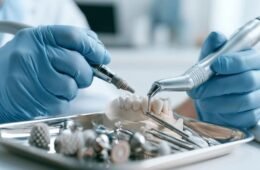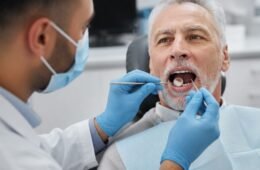
Achieving a smooth, polished restoration is an important part of restorative dentistry. After placing and shaping restorative materials, dental professionals must ensure that the finished surface has the appropriate texture, appearance, and contour. Proper polishing helps improve the overall quality of restorations while supporting patient comfort and long-term oral health.
Using dental polishers correctly can make a significant difference in achieving consistent clinical results. These instruments are designed to refine restoration surfaces, remove minor irregularities, and create a smooth finish. By selecting the right polishing tools and following recommended techniques, dental professionals can improve efficiency while maintaining the integrity of restorative materials.
1. Choose the Right Polisher for the Restorative Material
Different restorative materials require specific polishing instruments and techniques. Composite resins, ceramics, and other restorative materials have different surface characteristics, so using the appropriate polisher is essential.
Match the Polisher to the Material
Before beginning the polishing process, consider the type of restoration and the manufacturer’s recommendations. Some polishing systems are designed specifically for composite materials, while others are suitable for ceramic or metal restorations.
Selecting the correct instrument helps prevent unnecessary surface damage and supports a more consistent finish.
2. Follow the Recommended Polishing Sequence
Polishing is generally performed in stages, starting with surface refinement and progressing toward a smoother, more refined finish. Using the correct sequence helps remove scratches created during finishing and improves surface quality.
Start With Coarse and Progress to Fine
Depending on the polishing system, dental professionals may use several abrasive levels. A typical sequence includes:
- Coarse polishing: Removes visible irregularities and refines the restoration’s shape.
- Medium polishing: Smooths the surface and reduces scratches left by initial finishing.
- Fine polishing: Creates a more uniform and refined surface.
- Final polishing: Enhances surface smoothness and overall appearance.
Always follow the recommended sequence provided by the manufacturer, as different systems may have specific requirements.
3. Use the Correct Speed and Pressure
Applying excessive pressure or operating a polishing instrument at an inappropriate speed can generate heat and potentially damage the restoration. Maintaining controlled movements helps achieve better results while protecting the surrounding tooth structure.
Maintain Consistent, Gentle Movements
Use the recommended rotational speed for the selected polishing instrument. Apply light, controlled pressure rather than forcing the polisher against the restoration.
For better results:
- Keep the instrument moving across the restoration.
- Avoid prolonged contact with one area.
- Follow the recommended operating speed.
- Use water cooling when indicated by the polishing system.
- Check the restoration regularly throughout the process.
4. Maintain Proper Instrument Hygiene
Instrument hygiene is essential in every dental procedure. Reusable polishers should be cleaned, disinfected, and sterilized according to their manufacturer’s instructions. Single-use polishing instruments should be discarded after use.
Proper maintenance also helps preserve instrument performance and supports infection prevention in the dental practice.
5. Evaluate the Final Restoration
After polishing, examine the restoration to ensure that the surface is smooth, properly contoured, and free from visible irregularities. Pay particular attention to margins, contact areas, and surfaces that interact with opposing teeth.
A final assessment helps identify areas that may require additional refinement before completing the procedure.
Conclusion
Using dental polishers effectively requires proper instrument selection, a systematic polishing sequence, controlled pressure, and consistent hygiene practices. By following manufacturer recommendations and evaluating each restoration carefully, dental professionals can achieve smoother surfaces, improve restoration aesthetics, and support reliable clinical outcomes.