Most people think of their dentist as the person who keeps their teeth clean and their gums healthy. Few consider that a routine dental visit might reveal something far more consequential — early warning signs of cardiovascular disease. Yet the connection between oral health and heart health is not a new discovery. It is a well-documented, increasingly important relationship that medical professionals on both sides of the dental chair are taking seriously. Understanding this overlap could change how patients approach their overall health, and why they should never skip either type of appointment.
The Mouth as a Window to the Heart
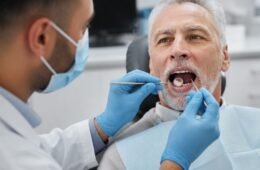
The human mouth is one of the most revealing diagnostic environments in the body. Blood vessels, soft tissue, and the gum line all respond to systemic changes — including those driven by cardiovascular stress, inflammation, and arterial dysfunction. A trained dentist examining a patient’s gums is, in many ways, observing the behavior of the body’s vascular system in real time.
Gum disease, or periodontal disease, is among the most significant oral conditions associated with cardiovascular risk. When bacteria accumulate below the gum line and trigger chronic inflammation, that inflammatory response does not stay localized. It enters the bloodstream, contributing to the same systemic inflammation that drives atherosclerosis — the hardening and narrowing of arteries that underlies most heart attacks and strokes. Research has consistently shown that individuals with severe gum disease face a measurably higher risk of cardiovascular events compared to those with healthy gums.
Bleeding Gums: More Than a Brushing Problem
Patients often dismiss bleeding gums as a sign they need to floss more. While that may sometimes be true, persistent gum bleeding can also indicate elevated inflammatory markers in the body — the same markers that cardiologists look for when assessing arterial health. A dentist who notices chronic gum inflammation may be identifying a patient who is quietly developing cardiovascular risk factors, often years before any cardiac symptoms emerge.
Tooth Loss, Bone Density, and Vascular Health
The relationship between tooth loss and heart disease is more than coincidental. Studies have found that adults who have lost multiple teeth — particularly due to periodontal disease rather than injury — tend to have higher rates of coronary artery disease. The shared mechanism is chronic bacterial infection and the inflammatory cascade it triggers. Bone loss in the jaw, which occurs as gum disease progresses, mirrors the kind of vascular calcification seen in patients with advanced arterial disease.
For patients who have experienced significant tooth loss and are exploring restorative options, understanding the health implications of their choice matters. Those considering fixed implant dentures versus traditional dentures should know that implant-supported solutions not only restore function and aesthetics but also help preserve jawbone density — a factor that has broader implications for long-term oral and systemic health.
Dry Mouth and Medication Side Effects
Many patients with cardiovascular conditions are prescribed medications — beta-blockers, diuretics, calcium channel blockers — that cause dry mouth as a side effect. A dentist who notices chronic xerostomia (dry mouth) in a patient may be the first clinician to ask whether the patient is on cardiac medications. This creates an opportunity for a conversation that bridges dental and medical care, potentially prompting the patient to discuss their cardiovascular health with their physician more proactively.
Why Dental and Cardiac Care Overlap More Than Patients Expect
The traditional separation between dental and medical care has long been a structural artifact of how healthcare systems were built, not a reflection of how the body actually works. The mouth is not isolated from the rest of the body. It shares blood supply, immune responses, and inflammatory pathways with every other organ system. When something goes wrong in the mouth, the rest of the body often knows about it — even if the patient does not.
Cardiologists are increasingly aware of this. Some cardiac care centers now include oral health assessments as part of broader cardiovascular risk evaluations. The logic is straightforward: if gum disease contributes to arterial inflammation, then treating gum disease may reduce cardiovascular risk. Several clinical trials are currently investigating whether periodontal treatment can meaningfully lower inflammatory markers associated with heart disease.
What Dentists Are Trained to Notice
Beyond gum disease, dentists may observe other oral signs that warrant cardiac follow-up. Unusual paleness of the gums can suggest anemia, which is associated with heart failure. Swollen or tender lymph nodes near the jaw may indicate systemic infection. Petechiae — small red or purple spots on the soft palate — can occasionally signal infective endocarditis, a serious infection of the heart’s inner lining. While these findings are not always cardiac in origin, a thorough dentist will flag them for further medical evaluation.
The Case for Proactive Cardiovascular Screening
Recognizing oral warning signs is only the beginning. Once a dentist or patient identifies potential cardiovascular risk factors, the next step is formal evaluation by a cardiac specialist. Cardiovascular screening offers a structured, evidence-based approach to assessing heart health before symptoms develop. Through a combination of blood pressure measurement, cholesterol profiling, electrocardiography, and imaging, these screenings can detect arterial disease, rhythm abnormalities, and structural heart issues at a stage when intervention is most effective. For patients whose dentist has flagged concerns, scheduling a cardiovascular screening is a logical and potentially life-saving next step.
Advanced Cardiac Imaging: Expanding the Diagnostic Picture
For patients who require a deeper look at their cardiovascular health, advanced imaging technologies have transformed what is possible. Cardiac CT scans, MRI, and nuclear imaging can reveal arterial plaque, measure coronary calcium scores, and assess heart function with remarkable precision. Facilities dedicated to this kind of diagnostic work are making these tools more accessible to patients who might otherwise wait until symptoms force the issue. Learning more about cardiac imaging services now available to patients can help individuals understand what options exist and how to advocate for their own heart health.
Bridging the Gap Between Dental and Medical Care
The practical takeaway for patients is simple but important: do not treat dental appointments and medical checkups as entirely separate events. Share your dental history with your cardiologist and your cardiac history with your dentist. If you have been told you have gum disease, ask your doctor whether cardiovascular screening is appropriate. If you are on heart medications, tell your dentist — it affects your oral health and the care you receive.
Healthcare providers who communicate across specialties deliver better outcomes. Patients who understand the connections between their body’s systems are better equipped to ask the right questions and act on the answers. The mouth is not just where digestion begins — it is where some of the body’s most important health signals first become visible.
Conclusion
The overlap between oral health and cardiovascular health is not a coincidence or a curiosity — it is a biological reality with real clinical implications. Your dentist may notice signs of cardiovascular risk before your cardiologist does, simply because dental visits are often more frequent and the mouth reveals so much. By paying attention to what happens in the dental chair, and by following up with appropriate cardiac evaluation when warranted, patients can take a genuinely proactive approach to one of the most serious health challenges of our time. The conversation between your dentist and your heart has been going on for years. It is time patients joined it.