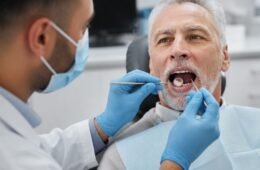

A single missing tooth can feel like a minor cosmetic problem, yet it often changes how you eat, speak, and smile with confidence. You’re not alone in facing this decision: over 50% of adults in the United States have lost one or more teeth. Partial dentures can address several issues at once, restoring chewing support and helping nearby teeth stay in alignment. The choice can feel overwhelming because you’re balancing an immediate replacement against long-term comfort and appearance. A well-made partial restores daily function while protecting the natural structures you still have.
New materials and digital manufacturing are quickly changing what patients expect from fit and facial appearance. Research points to a significant rise in global adoption of 3D-printed denture technologies in recent years, a clear shift toward precise, digitally produced appliances. These methods can produce better-fitting prosthetics, but the right choice still comes down to your lifestyle and daily habits. Picking a partial means weighing your gap pattern, your budget, and how your mouth reacts to different materials. So where do you start? Knowing the options before you sit down with a professional puts you in a stronger position.
Start With What Your Mouth Needs Now
How many teeth are missing, and where are they?
The first thing to sort out is your current pattern of tooth loss and how much support your mouth still has. Front-tooth replacements lean heavily on natural appearance and clear speech, while back teeth need rigid materials that can handle strong chewing forces. Demand for these customized, location-specific solutions keeps rising, with the global removable partial denture market projected to grow through 2035. You want a design that fits your gap pattern without overloading the natural teeth around it. A carefully chosen appliance spreads bite force evenly, which keeps your jaw more comfortable during meals.
Are you replacing teeth for a short-term fix or a long-term solution?
Temporary needs after an emergency extraction are very different from the demands of everyday, long-term wear. The cost of partial dentures can range from $700 to $3,000 per arch, depending on whether you choose a transitional resin base or a permanent cast metal framework. Acrylic partials generally cost less and work well as a short-term option right after extractions, while your gums heal. Long-term wear, by contrast, calls for stronger, more stable materials built to last. Pinning down your stage of treatment helps you avoid overspending on a temporary piece or underspending on a permanent one.
Compare the Main Partial Denture Materials

Before your appointment, reviewing the main partial denture options can help you ask sharper questions about comfort, appearance, and future changes to your mouth. This comparison matters because digital dentistry and additive manufacturing are changing how dental restorations are designed. Different bases offer their own trade-offs in weight, visual appeal, and longevity. Understanding metal, flexible, and acrylic options can prevent costly mistakes and help the appliance fit your daily routine. Walk in familiar with these categories and you’ll feel far more confident during the consultation.
Cast metal partial dentures
Cast metal partial dentures are a strong, durable option for people missing several teeth across one arch. They’re made thinner and sturdier than bulkier acrylic designs, which makes them practical for extended daily use. Metal alloys and digital fabrication have improved over the years, and a skilled denturist can sometimes modify a cast metal framework to add artificial teeth if you lose more natural ones later. The main downside? Visible metal clasps can bother image-conscious patients when they smile or speak.
Flexible partial dentures
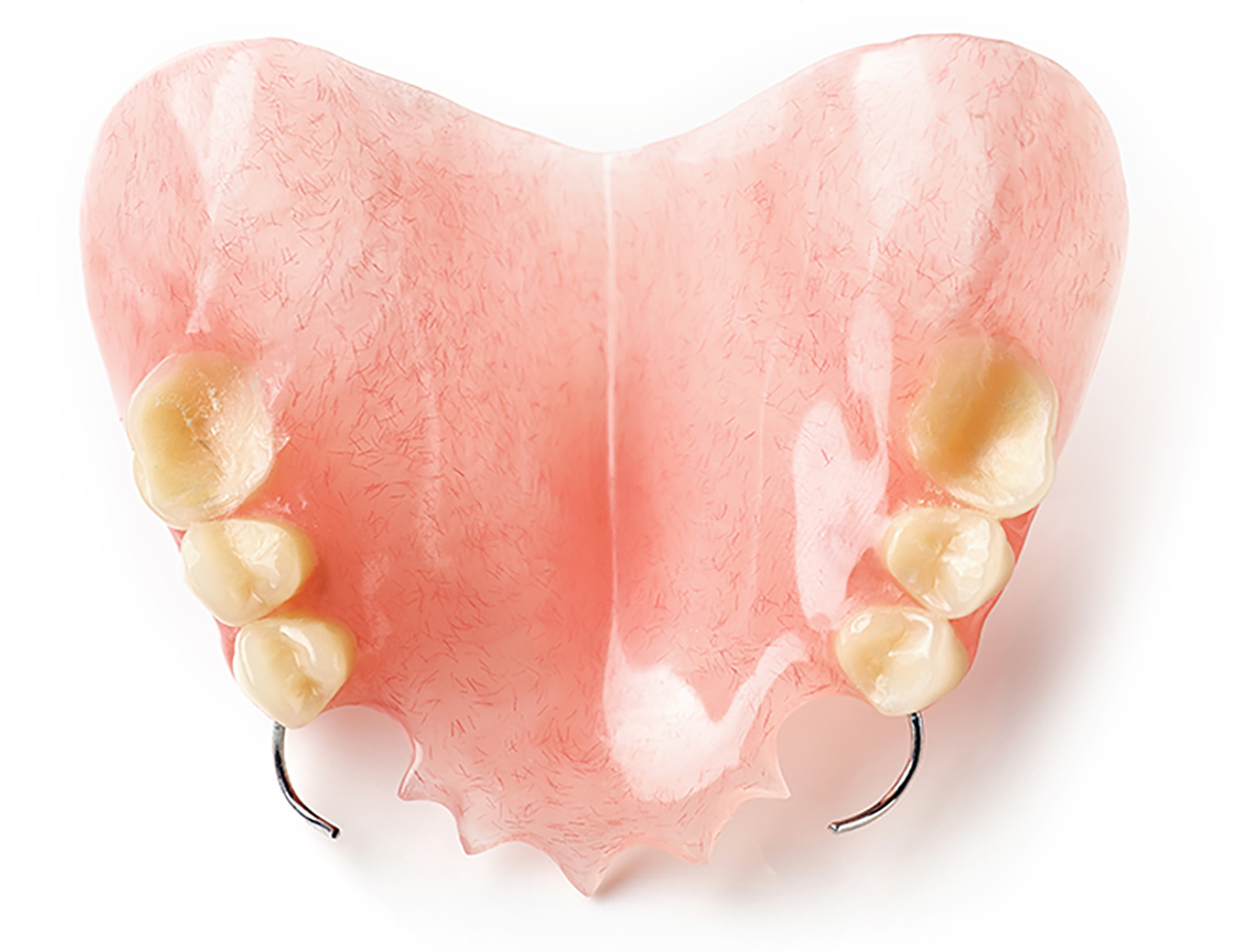
Flexible partial dentures appeal to people who want comfort and a natural look without visible metal wires. One study found that more patients reported satisfaction with flexible dentures than with standard acrylic designs. They can be a useful alternative if you have concerns about metal or acrylic sensitivity. They look great for front-tooth gaps, though they may be harder for a lab to adjust as your mouth changes.
Acrylic partial dentures
Acrylic partial dentures mainly serve as a budget-friendly, transitional choice during complex restoration plans. They tend to feel bulkier, which can affect comfort and speech clarity for some people. A systematic review found that patient satisfaction rates with removable partial dentures vary widely, partly depending on material and fit. Because they’re less durable and thicker, professionals rarely recommend basic acrylic as a premium long-term option. Still, they’re handy as an immediate cosmetic replacement while your gums heal after extractions.
| Type of Partial Denture | Best For | Main Benefits | Main Drawbacks | Typical Role |
|---|---|---|---|---|
| Cast metal | Long-term wear, multiple missing teeth | Strong, durable, can often accommodate future tooth loss | Metal may show, not ideal for some sensitivities | Long-term solution |
| Flexible | Appearance-focused patients, some allergy concerns | More natural look, no visible metal wires, often comfortable | Not suitable for every case, may be less adjustable | Medium- to long-term in selected cases |
| Acrylic | Budget-conscious or temporary use | Lower cost, useful after extractions or emergencies | Bulkier, less durable, less refined fit | Temporary or transitional solution |
Think About Daily Life, Not Just the Dental Lab
Comfort during long wear
A comfortable partial should feel stable during meals and never need forcing to sit right on your gums. Some patients want the lightest possible feel; others care more about sturdy support for dense foods. Reports on newer materials note that appliances are becoming smaller, lighter, and stronger, thanks to high-impact acrylics that trim unnecessary bulk. A comfortable appliance isn’t just soft; it has to distribute bite force properly to avoid sore spots. Custom fit matters as much as the material itself, and it’s what helps the device blend into your daily life.
Appearance when you smile and speak
Clasp visibility becomes a real concern when your missing teeth sit near the front, where people can see them. Advances in digital technology now let patients preview likely results, with digital smile design software combining 3D scans and AI-assisted modeling. Cast metal stays a practical pick for durability, but flexible partials hide supportive hardware more effectively. Newer integrated scanning and milling workflows keep widening the options, helping the final prosthetic look natural next to your real teeth. Getting that balance between strength and appearance right can help you feel confident speaking in professional and social settings.
Allergies and sensitivities
Tell your provider about any known reactions to metals, acrylics, adhesives, or other dental materials. When sensitivity is a concern, providers often suggest flexible materials to reduce irritation along the gum line. Recent developments, such as one-piece printed denture resins, may reduce the need for certain bonding agents. These streamlined methods can cut down the number of materials in the final appliance. Keeping your provider fully informed about your medical history helps your new teeth stay a comfortable asset rather than a daily annoyance.
5 questions to ask yourself before choosing a material:
- Do I need this partial denture mainly as a temporary step or for years of daily wear?
- Am I more concerned about durability, appearance, or cost?
- Have I ever had a reaction to metal, acrylic, or dental materials?
- Will visible clasps bother me when I smile or talk?
- Is my dentist or denturist expecting that I may lose more teeth later?
Plan for What Might Change Later
What if more tooth loss is likely?
Future tooth loss is one of the most overlooked decision points for patients getting new partials. If you have ongoing gum disease, weak roots, or major restorative work in progress, it’s worth planning ahead. Modern clinics use high-resolution intraoral scanners to study bite and alignment virtually, which helps dentists predict where stress may create future problems. Cast metal partials have a practical edge here: a technician can often add teeth to the existing framework. Being honest about your long-term outlook can spare you from needing a whole new appliance soon after the first fitting.
Why follow-up and adjustments matter
Even a well-made partial may need small adjustments as your mouth naturally changes shape. Weight swings, post-extraction healing, and normal age-related bone changes all affect how the appliance sits. Studies on additively manufactured restorations show that optimizing digital design parameters can improve fit, yet in-person clinical adjustments are still necessary. A poor fit can hurt chewing and cause painful sores. Older, bulkier, or heavily worn prosthetics may eventually stop fitting well, calling for a professional reline or full replacement.
Bring This Checklist to Your Consultation
Questions to ask your dentist, denturist, or provider
Walking into your first consultation with questions ready helps you get a device built around your routine. Ask which material best fits your missing-tooth pattern, and whether the proposed design is a temporary step or a long-term fix. Talk through what happens if you lose more teeth later, and ask how visible the metal clasps will be when you smile. You can also ask whether they use 3D-printing technologies that may reduce human error and shorten treatment time for custom prosthetics. Finally, get clear on the daily cleaning routine and how many follow-up visits you should realistically expect for comfort adjustments.
The Right Partial Denture Should Fit More Than Your Mouth
Choosing the best partial denture means balancing comfort, appearance, temporary medical needs, and the odds of future tooth loss. Research into artificial intelligence applications in removable dentures suggests technology may keep improving pre-prosthetic exams and aesthetic planning. Even so, no single material or fabrication process is perfect for every patient. Book a professional consultation to get a recommendation tailored to your current oral health. Ask the right questions and you’ll give your new partial the best shot at feeling comfortable and supporting your life for years.
New solutions keep entering the market, making it easier to find an appliance that feels natural. With expanding digital denture workflow systems making advanced treatments more accessible, your provider may have tools that match a material to your needs more precisely. The industry is also seeing FDA-cleared 3D-printed resins for permanent restorations with strong fracture resistance. Bringing a clear sense of your priorities to your denturist helps make sure the final product tackles your main concerns. Taking time to compare your options can support a healthier, more confident smile.