
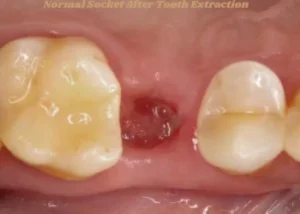
Normal Socket After Tooth Extraction
Imagine biting into a deep-dish pizza in Lincoln Park, only to realize a recent tooth extraction has left you cautious about that first chew. As a Chicagoan, you’re no stranger to the hustle, but oral health doesn’t have to add stress. At EliteFixDenture.com, we see patients every day navigating post-extraction recovery amid our windy city’s demands.
Quick Answer: What Does Normal Healing Look Like?
After tooth extraction, a normal socket forms a protective blood clot right away, with mild swelling and pain easing in 3-5 days. White granulation tissue appears as healing progresses, and full bone regrowth takes 3-6 months. Follow gentle care to avoid issues like dry socket.
What Is a Normal Socket After Tooth Extraction?
A normal socket is the empty space left in your jawbone after a tooth is removed. It kicks off a natural healing process where your body fills it with new tissue and bone. Think of it like a cozy Chicago winter: it starts chilly but warms up steadily if you bundle right.
In the first hours, fresh blood pools to form a clot—this is your socket’s first line of defense, shielding nerves and bones below. Without complications, this clot stays put, paving the way for gentle tissue growth.
Causes and Risk Factors for Complications (vs. Normal Healing)
Normal healing happens smoothly for most folks, but factors like smoking or vigorous rinsing can disrupt the blood clot, leading to dry socket—a painful snag affecting 2-5% of routine extractions, per Cleveland Clinic data.
Risks include poor oral hygiene or certain meds, but in Chicago’s fast pace, skipping that post-dinner rinse might tip the scales. Many Lakeview patients we chat with overlook these, but awareness keeps things on track. For more on dry socket risks, check the American Dental Association’s extraction guide.
Symptoms and Signs of Normal Healing
Spotting normal signs brings relief—like hearing the L train rumble back to life after a delay. Expect mild throbbing pain that fades over days, slight swelling (ice it!), and maybe a bit of oozing blood the first evening.
By day 3, the socket darkens as the clot settles, and around week 1, soft pink tissue peeks in. No foul odor or intense pain? You’re golden. One Lincoln Park regular shared how spotting that white healing tissue felt like acing a Windy City marathon mile.
Prevention and Home Care Tips
Keep your socket snug with easy habits. Bite on gauze for 30-45 minutes post-extraction to secure the clot, then sip cool fluids—no straws, as suction spells trouble.
Rinse gently with saltwater after 24 hours, and stick to soft foods like oatmeal or smoothies. Over-the-counter pain relievers like ibuprofen help, as recommended by the ADA. In Chicago’s chilly fall, warm broths soothe without risking the site.
Professional Treatments in Chicago
If healing stalls, Chicago pros step in with medicated packs or antibiotics. Dr. Aziz Liaquat, our implant dentistry expert, often sees extractions as a bridge to stable smiles—think implants for that missing molar.
At EliteFixDenture.com in Lakeview, we tailor care to your needs, blending expertise with empathy. For deeper insights on complications, visit Mayo Clinic’s dry socket overview.
Recovery and Aftercare Tips
Day 1: Rest, ice, and elevate—your socket’s building phase. Weeks 1-2: Soft diet, no smoking, and daily rinses promote that granulation tissue glow-up.
Full recovery? Bone fills in over months, but you’ll chew comfortably in 1-2 weeks. Track progress with a mirror check; if it mirrors Healthline’s healing timeline, breathe easy.
Healing Timeline (Typical Chicago Patient)
• Day 1–2 → Blood clot forms; mild soreness.
• Day 3–5 → Pain eases; clot darkens.
• Week 1 → Pink granulation tissue forms.
• Week 2 → Soft tissue closed.
• Month 3–6 → Bone fills socket completely.
Normal vs. Dry Socket: Quick Comparison
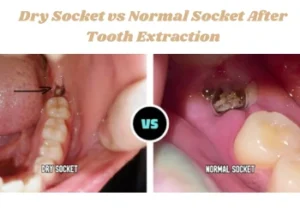
Dry Socket vs Normal Socket After Tooth Extraction
| Aspect | Normal Socket | Dry Socket |
| Pain Level | Mild, decreases in 3-5 days | Severe, worsens after 2-3 days |
| Appearance | Blood clot, then white tissue | Exposed bone, empty look |
| Healing Time | 1-2 weeks soft tissue, 3-6 months bone | Delayed, 7-10 days with treatment |
| Risk Factors | Low with good care | Smoking, poor hygiene (2-5% cases) |
Key Dental Terms About Tooth Extraction Recovery
Normal Socket After Tooth Extraction:
Refers to the healthy healing site left after a tooth is removed—typically covered by a protective blood clot that shields bone and nerves underneath.
Healing Stages:
The phases your mouth goes through post-extraction—clot formation, tissue repair, and bone regeneration—usually lasting 1 to 2 weeks for most Chicago patients.
Granulation Tissue:
New soft tissue that forms in the socket as part of natural healing. It appears pale pink and later hardens into supportive bone.
Dry Socket Prevention:
Steps to protect the blood clot—avoiding straws, smoking, or vigorous rinsing—to prevent painful exposure of the bone.
Post-Extraction Care:
Gentle at-home practices such as rinsing with warm salt water, using cold compresses for swelling, and following prescribed medications.
Alveolar Bone Regrowth:
The gradual rebuilding of bone in the extraction area, important for future implants or dentures.
Jawbone Health:
Maintaining strong bone structure through proper diet, hydration, and regular dental visits—especially if you plan for implants later on.
💡 Chicago Tip:
Lakeview and Lincoln Park dentists emphasize keeping the blood clot undisturbed during the first 48 hours—it’s your body’s natural “bandage” for fast, pain-free healing.
When to See a Dentist
Pain spiking on day 3? Foul breath or fever? Head to your Chicago dentist pronto—these signal infection or dry socket, not normal vibes. Early checks prevent bigger woes, especially before implant planning.
Local Tips for Chicago Extraction Recovery
Windy City’s brisk October air can dry mouths fast—stay hydrated to aid clotting. Lakeview walkers, skip crunchy snacks on Michigan Avenue strolls. For families in Lincoln Park, pair recovery with cozy zoo visits (soft pretzels only!).
Pro tip: Chicago’s tap water is fluoridated gold for healing—rinse wisely. Explore our implant dentistry page for next steps, or denture options if extraction was denture prep.
FAQ: Your Tooth Extraction Questions Answered
What does a normal socket after tooth extraction look like?
It starts as a dark red clot level with gums, turning to white/pink tissue by week 1. No exposed bone means smooth sailing (Healthline).
How long does a normal socket take to heal?
Soft tissues mend in 1-2 weeks; bone regrows in 3-6 months. Full strength? Up to a year, per NIH studies.
Is white stuff in the socket normal?
Yes—it’s granulation tissue, packed with healing cells. It bridges to new bone beautifully.
How can I prevent dry socket in Chicago?
No smoking, gentle rinses, and soft foods. Lakeview locals, our team at EliteFixDenture.com offers custom tips.
When can I eat normally after extraction?
Start soft at 24 hours; by day 5, ease into Chicago favorites like Italian beef (shredded, please!).
Does jawbone health affect socket healing?
Absolutely—strong bone speeds recovery. Prepping for implants? Chat with Dr. Liaquat.
Best aftercare for windy Chicago days?
Moisturize lips, sip warm teas, and bundle up—dry air slows clots. Lincoln Park patients swear by humidifiers.
How often should I follow up post-extraction?
Week 1 check for most; sooner if swelling lingers. We’re here in Lakeview for quick visits.
Can extractions lead to denture needs?
Often yes—explore our pediatric care page if for little ones, too.
Disclaimer: This article is for informational purposes only and not a substitute for professional dental advice. Consult your dentist for personalized care.
For expert dental care in Chicago, visit EliteFixDenture.com.
Reviewed by Dr. Aziz Liaquat, Implant Dentistry.