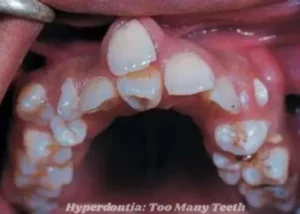
Hyperdontia
In the heart of Chicago’s vibrant Lakeview neighborhood, where families juggle school runs and Lake Michigan breezes, a routine pediatric dental checkup can uncover a surprise: extra teeth. Imagine little Mia, a 7-year-old from Lincoln Park, smiling wide only for her dentist to spot an unexpected tooth peeking behind her front ones. Moments like these spark worry, but they’re more common than you think. At EliteFixDenture.com, we approach these discoveries with gentle expertise, ensuring Chicago families feel supported every step.
Quick Answer: Hyperdontia, or too many teeth, occurs when supernumerary teeth develop beyond the normal 20 baby or 32 adult teeth. It affects 1% to 3% of people, often without pain, but can cause crowding or misalignment. Early detection via X-rays allows simple treatments like extraction to prevent issues.
Key Dental Terms to Know About Hyperdontia
Hyperdontia:
A condition where extra (supernumerary) teeth develop beyond the normal 20 baby or 32 adult teeth.
Supernumerary Teeth:
The additional teeth that form due to overactive tooth development — sometimes hidden in the jaw or erupted visibly.
Mesiodens:
A common type of extra tooth that appears near the upper front teeth.
Paramolars & Distomolars:
Extra teeth near or behind molars, often found in X-rays during routine exams.
Pediatric Hyperdontia:
Cases of extra teeth in children that may affect spacing, bite alignment, and permanent tooth eruption.
💡 Chicago Tip: Early pediatric checkups — especially around age 6 to 8 — help detect hidden extra teeth before they affect alignment or speech.
What is Hyperdontia?
Hyperdontia happens when your mouth grows more teeth than usual. These extras, called supernumerary teeth, can appear in kids’ baby teeth or adults’ permanent ones. They might erupt like normal teeth or stay hidden in the jawbone.
Most often, you’ll see a mesiodens—a small, cone-shaped extra tooth—right behind the upper front teeth. Other types include paramolars near the back molars or even tumor-like odontomas that look like jumbled tooth bits. In Chicago’s chilly winters, when kids bundle up for school, spotting these early keeps smiles healthy year-round.
Causes and Risk Factors
No one knows the exact trigger for hyperdontia, but genetics play a big role. It can run in families or link to conditions like cleft palate, Ehlers-Dlos syndrome, or Gardner’s syndrome. An overactive dental lamina—the tissue that forms teeth—might spark extras, or it could echo ancient traits from our ancestors who needed more chompers for tough foods.
Risks rise if you’re male (it’s twice as common) or have family history of dental quirks. According to a NIH study on orthodontic patients, about 0.72% of kids aged 10-20 show hyperdontia, mostly in the upper front jaw. For Lincoln Park parents, knowing this helps spot it during those first wobbly-tooth talks.
Symptoms and Signs
Many folks with hyperdontia feel nothing at all—the extra tooth just sits there quietly. But watch for crowding, where permanent teeth push sideways like commuters on a packed L train. Delayed baby teeth eruption or crooked bites can follow, making chewing tough.
Pain or swelling might pop up if an impacted tooth presses on gums, leading to infections or cysts. In Lakeview families, we hear stories of kids avoiding favorite foods like deep-dish pizza due to discomfort. Early signs? A bumpy gum line or gaps that weren’t there before—simple clues during brush-time routines.
Prevention and Home Care
You can’t prevent hyperdontia since it’s wired into genes, but smart habits catch it early. Schedule twice-yearly checkups, especially for Chicago kids in high-fluoride water areas like ours. Brush gently with soft tools to avoid irritating hidden extras, and floss daily to fend off plaque buildup.
For home care, use kid-friendly mouthwashes and watch for changes during teething phases. Relatable tip: Like prepping for a windy Gold Coast walk, consistent oral hygiene shields against complications. Link to our pediatric dentistry page for age-specific tips.
Professional Treatments in Chicago
If hyperdontia crowds your smile, extraction is the go-to fix—quick and under local anesthesia for minimal fuss. Orthodontic braces might follow to straighten things out, especially if extras delay adult teeth.
In Chicago’s bustling dental scene, Dr. Anila Sohail, our pediatric dentistry expert, guides families through this with a soft touch. She’ll use X-rays or CT scans to map extras precisely, ensuring safe removal. For complex cases tied to syndromes, we coordinate with specialists. Check our orthodontics services for alignment support post-treatment.
Recovery and Aftercare Tips
Post-extraction, kids bounce back fast—often munching soft foods like malts by day two. Ice packs ease swelling, and over-the-counter pain relievers like ibuprofen keep things comfy. Avoid straws or crunchy snacks for a week to let the site heal.
Gentle rinses with salt water promote healing, and we advise soft diets during Chicago’s allergy season when sinuses act up. Follow-up visits track progress, preventing infections. Many Lakeview patients share how a simple procedure restored confident grins for school photos.
When to Visit a Chicago Dentist for Extra Teeth
Head to your Chicago dentist if extra teeth cause pain, swelling, or chewing woes. Delays in permanent teeth or unexplained mouth bumps? Don’t wait—early action nips crowding in the bud.
For families in Lincoln Park, book if your child complains of jaw tenderness after playground fun. Untreated, it risks decay or gum disease, per Cleveland Clinic insights. Our team at EliteFixDenture.com spots these fast during routine visits.
Local Tips: Hyperdontia Care in Chicago
Chicago’s harsh winters can dry mouths, worsening gum irritation around extra teeth—stay hydrated with room-temp water, not icy drafts off the lake. In diverse neighborhoods like Lakeview, where families hail from everywhere, genetic risks vary; chat with your provider about heritage checks.
Summer festivals mean more sugary treats—double down on brushing to protect crowded smiles. For Lakeview locals, our clinic’s near the Red Line for easy access, blending expert care with neighborhood warmth.
FAQs
What is hyperdontia in simple terms?
Hyperdontia means having extra teeth beyond the usual 20 baby or 32 adult ones. These supernumerary teeth often hide in the jaw but can crowd your smile if they erupt.
How common is hyperdontia?
It affects 1% to 3% of people, per Cleveland Clinic data, with up to 3.8% in permanent teeth. Boys see it twice as often as girls.
What causes too many teeth (hyperdontia)?
Genetics top the list, plus links to cleft palate or syndromes like Ehlers-Danlos. An overactive tooth-forming tissue may also play a part.
What are the signs of supernumerary teeth?
Look for crowded or crooked teeth, delayed eruption, or gum swelling. Many cases show no symptoms until a checkup.
How is hyperdontia diagnosed?
Dentists spot erupted extras visually; X-rays or CT scans reveal hidden ones. Routine exams catch 80-93% of cases early, says NIH research.
What’s the treatment for extra teeth in kids?
Extraction removes them safely, often with orthodontics to fix alignment. In Chicago, pediatric pros like Dr. Sohail make it stress-free.
Does hyperdontia hurt?
Usually not, but pressure from impacted teeth can cause pain or infections. Mild discomfort eases with ibuprofen.
Can hyperdontia affect braces in Chicago teens?
Yes—extras can delay treatment or cause misalignment. Lakeview orthodontists handle this routinely for smooth results.
Where to find pediatric hyperdontia care in Lincoln Park?
EliteFixDenture.com offers gentle diagnostics near Lincoln Park—book for X-rays and family-focused plans.
This article provides general information on hyperdontia and is not a substitute for professional dental advice. Consult your Chicago dentist for personalized care.
For expert dental care in Chicago, visit EliteFixDenture.com.
Reviewed by Dr. Anila Sohail, Pediatric Dentistry.