
Kill Tooth Pain Nerve in 3 Seconds Permanently
No method exists to permanently kill a tooth nerve in just 3 seconds at home. Tooth nerve pain, often from deep decay or infection, requires professional dental treatment for lasting relief.
What Causes Tooth Nerve Pain?
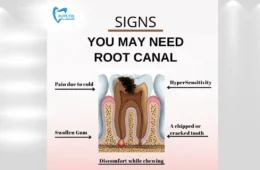
Tooth nerve pain stems from irritation or damage to the dental pulp, the inner tissue housing nerves and blood vessels. Common triggers include advanced cavities reaching the pulp, tooth cracks exposing nerves, gum disease receding gums, or infections forming abscesses. Trauma from injury or grinding (bruxism) can also inflame nerves, while sinus issues sometimes mimic this pain in upper teeth.
Why “3-Second Permanent Kill” Is a Myth
The tooth nerve sits deep within protective enamel and dentin layers, making instant permanent destruction impossible without specialized tools. Viral claims often promote unsafe hacks like aspirin on gums or alcohol swishes, which risk burns or worsened infection. Dentists warn these offer no permanence and delay proper care, potentially leading to abscesses or tooth loss.
Quick Temporary Relief Options
For immediate comfort before seeing a dentist, try these evidence-based methods.
- Cold Compress: Wrap ice in cloth and apply to the cheek for 15-20 minutes; it reduces swelling and numbs nerves by constricting blood flow.
- Saltwater Rinse: Mix 1/2 tsp salt in warm water, swish 30 seconds; it cleans debris, fights bacteria, and eases inflammation.
- Clove Oil: Dab diluted eugenol-rich oil on a cotton ball to the area; its natural anesthetic provides short-term numbing.
- OTC Painkillers: Ibuprofen or acetaminophen (follow ADA guidelines: NSAIDs first, avoid opioids) reduce pain and swelling effectively.
Avoid direct aspirin application or undiluted hydrogen peroxide, as they can harm tissues.
Professional Treatments for Permanent Relief
Dentists diagnose via exam and X-rays, then treat the cause.
| Treatment | When Used | How It Works | Success Rate |
| Dental Filling | Cavities not reaching nerve | Removes decay, seals tooth | High for early cases |
| Root Canal | Infected/damaged pulp | Removes pulp, cleans canals, seals tooth (local anesthetic numbs instantly) | 95%+ saves tooth permanently |
| Crown | After root canal or large filling | Caps weakened tooth for protection | Restores function long-term |
| Extraction | Irreparable damage | Removes tooth; implants replace if needed | Last resort for severe cases |
Root canals, contrary to myths, are comfortable with modern anesthetics and prevent extractions.
When to See a Dentist Immediately
Seek care if pain lasts over 48 hours, swells, fevers, or spreads to jaw/ear. Delaying risks abscesses or systemic infection. At our clinic, we offer same-day evaluations and sedation for anxious patients.
Prevention Tips for Nerve Pain
Brush twice daily with fluoride toothpaste, floss, limit sugars, and wear night guards for grinding. Regular checkups catch issues early.
Schedule your appointment today for pain-free smiles—contact us for expert care tailored to you.