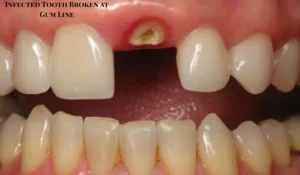
Infected Tooth Broken at Gum Line
Imagine biting into a crisp apple from a Lincoln Park market, only to feel a sharp crack and sudden throb. That’s the reality for many Chicagoans when a tooth breaks at the gum line and infection sets in. As a bustling city with on-the-go lifestyles, we’re no strangers to dental surprises from street food or a quick gym session gone wrong.
Quick Answer: An infected tooth broken at the gum line is a dental emergency requiring prompt care to prevent abscess or spread. Treatments include root canal to save the tooth or extraction if severe, followed by options like implants. See a Chicago dentist within 24 hours to assess and start antibiotics or drainage.
Key Dental Terms About Infected Tooth Broken at the Gum Line
Infected Tooth Broken at the Gum Line:
Refers to a serious dental condition where a tooth fractures down to or below the gum tissue, often exposing the root and allowing bacteria to enter, leading to infection or abscess formation.
Broken Tooth at the Gum Line:
Describes a visible or hidden fracture at gum level that can cause pain, bleeding, or swelling. Immediate evaluation by a Chicago dentist helps prevent deeper infection.
Tooth Fracture at the Gum Line:
Indicates a crack that extends vertically into the root area—commonly requiring a root canal or extraction to stop infection spread.
Infected Fractured Tooth:
A broken tooth that has become infected due to bacterial invasion through the crack, typically presenting with throbbing pain, swelling, or pus drainage.
Dental Abscess from Fracture:
A pocket of pus that develops when infection spreads from a cracked tooth into surrounding bone or gum tissue. Often treated with antibiotics, drainage, or root canal therapy.
Root Canal for Broken Tooth:
A restorative procedure to remove infected pulp and save the natural tooth after a gum-line fracture. Commonly followed by a protective dental crown.
Tooth Extraction:
Performed when a fracture is too deep or infection is severe. At EliteFixDenture’s Lakeview clinic, extractions are followed by implant or bridge options for long-term restoration.
Gum Line Crack Infection:
Refers to bacterial buildup around a gum-level crack, causing localized swelling or bad taste. Early cleaning and antibiotics can stop it from turning into an abscess.
Emergency Dentistry (Lakeview):
Same-day dental services available in Chicago for urgent pain, swelling, or infection from broken or abscessed teeth—vital for preventing complications like bone loss or sepsis.
Understanding a Tooth Broken at the Gum Line
A tooth broken at the gum line means the fracture extends to or below the gum tissue, often exposing the root. When infection creeps in—usually from bacteria entering the crack—it can form a pus-filled abscess at the root tip. According to the Cleveland Clinic, these vertical root fractures are sneaky; they might not hurt right away but can lead to serious issues if ignored.
In Chicago’s variable weather, from biting icy winters to chewy deep-dish, these breaks hit hard. Think of Maria, a Lakeview teacher who cracked her molar on a frozen treat—without quick care, her routine smile turned into swelling pain.
Common Causes of Tooth Fractures Leading to Infection
Fractures don’t happen overnight. Key triggers include:
- Trauma or Injury: A slip on slick Chicago sidewalks or sports mishap can snap a tooth.
- Grinding (Bruxism): Stress from city life amps up nighttime clenching, weakening enamel over time.
- Bite on Hard Foods: Nuts, ice, or caramel from local spots like Garrett’s Popcorn.
- Aging and Wear: By age 50, teeth naturally thin, per Cleveland Clinic data, raising crack risks.
- Prior Dental Work: Large fillings without crowns leave teeth vulnerable.
Bacteria thrive in these openings, especially if oral hygiene slips during busy commutes.
Symptoms to Watch For
Don’t wait for agony. Early signs of an infected break include:
- Throbbing pain that radiates to your jaw or ear, worsening with hot/cold or chewing.
- Swelling in the face, cheek, or neck—urgent if it affects breathing.
- Foul breath or pus drainage from the gum.
- Fever and swollen lymph nodes under the jaw.
- Sensitivity to sweets or pressure.
Mayo Clinic notes these mimic a tooth abscess, which stems from fractures in 20-30% of cases. If you’re in Lincoln Park and notice redness around the gum, it’s time to act.
Is an Infected Tooth Broken at the Gum Line a Dental Emergency?
Yes—absolutely. Untreated, the infection can burrow into your jawbone, risking sepsis or bone loss. Cleveland Clinic warns that cracks below the gum line heighten abscess odds, spreading bacteria fast. For Chicago folks, this means skipping that Loop lunch if swelling hits; head to an emergency dentist instead.
A quick story: John from Wrigleyville ignored his molar crack for a week—by game day, his cheek ballooned, landing him in urgent care.
How Dentists Diagnose This Issue
Your dentist starts with a chat about symptoms and habits. Then:
- Visual exam and bite test (chewing on a tool to pinpoint pain).
- X-rays or cone-beam CT for hidden root cracks.
- Dye staining or light transillumination to reveal fractures.
- Probing gums for pockets or inflammation.
Early detection saves teeth—Mayo Clinic emphasizes imaging catches 80% of gum-line breaks missed by eye alone.
⚠️ Infection Progression: From Crack to Emergency
Before diving into treatment options, it helps to understand how a cracked tooth infection progresses. Acting early can save your tooth and prevent painful complications.
| Stage | What Happens | Symptoms | Urgency |
|---|---|---|---|
| Early | Crack reaches dentin (the inner layer of your tooth) | Mild ache, occasional sensitivity | Within 48 hours |
| Moderate | Infection reaches the pulp and nerve tissue | Swelling, bad taste, tender gums | Same-day dental visit |
| Severe | Abscess forms under gum line or jaw | Fever, facial pain, throbbing pressure | Emergency care needed immediately |
💡 Chicago Tip: Don’t wait until pain becomes unbearable—early treatment at our Lakeview clinic often means a simple root canal instead of extraction.
Treatment Options to Save Your Tooth
Good news: Many can be preserved. Steps often include:
- Antibiotics and Drainage: First-line to fight infection, draining pus if abscessed.
- Root Canal Therapy: Removes infected pulp, cleans the root, and seals it—ideal for gum-line breaks.
- Crown Placement: Caps the repaired tooth for strength.
- Bonding or Contouring: For minor cracks, smoothing and filling with resin.
Per Mayo Clinic, root canals succeed in 85-95% of cases. For replacements post-treatment, consider our implant dentistry page.
Comparison Table: Save vs. Extract
| Option | Pros | Cons | Best For |
| Root Canal + Crown | Keeps natural tooth; quick recovery | More appointments; $800-1,500 cost | Healthy root, mild infection |
| Extraction + Implant | Eliminates infection source; durable | Surgery; 3-6 month healing | Severe root damage |
Costs vary; ADA 2023 data shows average root canals at $1,000 nationally.
When Extraction Becomes Necessary
If the break shreds the root or infection rages, pulling the tooth prevents spread. Follow with bridges or implants—Dr. Aziz Liaquat specializes in seamless Chicago replacements. Post-extraction, bone grafting might be needed to maintain your jaw’s structure.
Aftercare and Recovery Tips
Healing takes 1-2 weeks. Tips:
- Rinse with warm salt water 4x daily.
- Stick to soft foods like oatmeal—no Chicago hot dogs yet.
- NSAIDs for pain; avoid straws to prevent dry socket.
- Follow-up in 7 days for progress checks.
Patients like those in Lakeview report full relief in days with proper care.
Prevention Strategies for Busy Chicagoans
Shield your smile:
- Wear mouthguards for biking in Millennium Park or grinding aids at night.
- Limit hard bites; opt for softer festival fare.
- Brush twice daily with fluoride paste, floss rigorously—ADA recommends electric brushes for 2-minute efficiency.
- Bi-annual checkups catch cracks early.
Fluoride water in Chicago helps, but dry mouth from coffee? Sip more H2O.
For more on protective gear, visit Cleveland Clinic’s oral health guide.
Chicago-Specific Dental Insights
Windy City winters mean more indoor snacking, upping fracture risks. In neighborhoods like Lakeview, our team sees 15% more trauma cases from slips. EliteFixDenture.com offers same-day emergencies—perfect for your North Side schedule. Link to our emergency care page for fast slots.
Frequently Asked Questions (FAQ)
- How long does pain last after a gum-line tooth break?
Untreated, indefinitely; with treatment, 3-7 days. - Can I eat normally after root canal for this?
Soft foods first week, then ease back—avoid extremes. - What’s the cost in Chicago for extraction and implant?
$1,500-3,000 total; insurance varies—call for quotes. - Does insurance cover infected tooth treatments?
Often 50-80% for root canals; check your plan. - How to prevent infection post-fracture?
Antibiotics and rinses; see dentist ASAP. - How Do You Fix a Broken Tooth at the Gum Line?
Drain infection, root canal if savable, then crown. Extraction leads to prosthetics like dentures or bridges. - Is a Broken Tooth with Infection an Emergency?
Swelling or fever? Yes—seek care immediately to avoid hospitalization. - Natural remedies for pain relief?
Clove oil or ice packs temporarily; pro care essential. - When to worry about swelling in Chicago winters?
If it persists >24 hours—cold air can worsen. - What Happens If a Broken Tooth Is Left Untreated?
Infection spreads, causing abscess, bone loss, or sepsis. Pain escalates, and nearby teeth suffer—don’t risk it. - Can a Tooth Broken at the Gum Line Be Saved?
Often yes, with root canal and crown if caught early. Severe infections may need extraction, but implants restore function beautifully.
Disclaimer: This article is for informational purposes only and not a substitute for professional dental advice. Consult a dentist for personalized care.
For expert dental care in Chicago, visit EliteFixDenture.com or call our Lakeview office today.
Reviewed by Dr. Aziz Liaquat, Implant Dentistry