how to avoid denture face
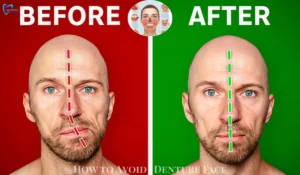
Denture face, also called facial collapse, happens when the jawbone shrinks after tooth loss, causing a sunken, aged appearance with hollow cheeks, deep wrinkles around the mouth, and a shortened lower face. The best way to avoid denture face is to combine well-fitted dentures or implant-supported options that preserve jawbone health, with regular check-ups and simple daily habits.
Many patients in Chicago’s Lincoln Park and Lakeview neighborhoods come to us concerned after noticing subtle changes in their smile or profile. You’re not alone – and the good news is that with the right approach, you can keep enjoying your favorite Windy City foods and laughing with friends without worrying about premature aging.
Key Dental Terms for Denture Face
Denture Facial Support
Refers to how dentures maintain the shape of cheeks and lips. Proper support prevents a collapsed or aged appearance.
Alveolar Ridge Shrinkage
The gradual loss of jawbone height after tooth loss. This shrinkage contributes to sagging cheeks and denture face.
Mid-Facial Volume Loss
A reduction in fullness in the cheek and lip area due to bone resorption or poorly fitting dentures.
Vertical Dimension of Occlusion (VDO)
The space between the upper and lower jaws. A reduced VDO from worn dentures can cause a “sunken” facial look.
Muscle Tone Reduction in Denture Wearers
Weakening of facial muscles around the mouth and cheeks when dentures lack proper support.
Denture Fit Optimization
Adjustments or relines done to maintain stability, comfort, and facial structure as the jawbone changes.
Implant Retention Stability
The secure hold provided by implant-supported dentures, which improves chewing and helps maintain facial shape.
Cheek Support Denture Design
A customized denture design that enhances cheek structure to prevent flattening or hollowing.
Facial Esthetics Assessment
A dentist’s evaluation of facial proportions and symmetry to design dentures that maintain a youthful, natural appearance.
Chicago Denture Restoration Specialists
Local dental professionals offering advanced denture solutions, implants, and adjustments to prevent facial collapse.
These concepts guide how we design and adjust dentures at our Chicago clinic to prevent denture face before it starts.
What Is Denture Face (Facial Collapse)?
Denture face refers to the gradual changes in facial appearance that can occur after losing teeth and wearing traditional removable dentures. Without tooth roots to stimulate the jawbone, the bone begins to resorb (shrink) – a natural process that can reduce jaw height by up to 4mm in the first year alone after extractions.
Over time, this leads to:
- Sunken cheeks and lips
- Increased wrinkles around the mouth (like “marionette lines”)
- A pointed or “witch-like” chin
- Thinner lips and a collapsed bite
According to the American College of Prosthodontists, up to 90% of people without teeth experience some degree of bone loss if not addressed early.
What Causes Denture Face?
The primary culprit is jawbone resorption. Natural tooth roots act like exercise for your jaw – chewing sends signals that keep bone dense and strong. Traditional dentures rest on the gums without stimulating the bone beneath, so the body “recycles” unused bone tissue.
Other contributing factors include:
- Ill-fitting dentures that don’t restore proper facial height
- Gum shrinkage over time
- Poor nutrition lacking calcium and vitamin D
- Habits like smoking, which reduce blood flow to the gums and bone
In our Chicago practice, we’ve seen patients from Lakeview who thought their sagging cheeks were just “part of getting older” – only to discover it was preventable with better denture support.
Expert Insight — Dr. Aziz Liaquat:
“The earlier we correct denture fit and support the jawbone, the easier it is to prevent denture face. Waiting until the cheeks look sunken often means more complex treatment later.”
Why Preventing Denture Face Matters for Chicago Patients
Living in a vibrant city like Chicago means staying active – whether walking the Lakefront Trail or enjoying deep-dish pizza with family. Denture face doesn’t just affect appearance; it can make eating and speaking harder, leading to social withdrawal or nutritional issues.
Proven Ways to Avoid Denture Face
- Start with Properly Fitted, High-Quality Dentures
The foundation of prevention is a precise fit that restores your natural bite height and supports facial muscles. Custom dentures designed with modern digital impressions provide better cheek and lip support from day one.
- Consider Implant-Supported Dentures – The Gold Standard
Dental implants act like artificial tooth roots, stimulating the jawbone just like natural teeth. This virtually stops bone loss in its tracks.
| Traditional Dentures | Implant-Supported Dentures |
| Rest on gums → Ongoing bone loss | Anchored to implants → Preserves bone |
| May need frequent relines | Stable for years |
| Higher risk of facial changes | Maintains youthful contours |
| More affordable upfront | Best long-term investment |
At EliteFixDenture.com, many Lincoln Park patients choose 4-6 implants for full-arch support – often called “All-on-4” – for life-changing stability.
- Schedule Regular Check-Ups and Relines
Your jaws change shape gradually. Annual (or more frequent) visits allow us to adjust or reline dentures before they become loose and accelerate bone loss.
- Practice Simple Facial Exercises Daily
Strengthen muscles to support your features:
- Smile widely and hold for 10 seconds (repeat 10x)
- Puff out cheeks with air and hold 10 seconds
- Pucker lips like kissing, hold 5 seconds
- Gently massage cheeks in circular motions
Just 5 minutes a day can make a noticeable difference.
- Support Bone Health Through Diet and Habits
- Eat calcium-rich foods (dairy, leafy greens, fortified options)
- Get vitamin D from sunlight or supplements
- Stay hydrated and quit smoking
- Chew sugar-free gum to promote circulation
FAQs
Can denture face be reversed?
Early changes often improve with new, properly fitted dentures or implants. Advanced bone loss may require grafting first.
How long does it take for denture face to develop?
Noticeable changes can begin in 1-3 years, but significant collapse often takes 10-20 years without intervention.
Do all denture wearers get facial collapse?
No – proper fit, implants, and maintenance dramatically reduce the risk.
Are implant-supported dentures worth it in Chicago?
Absolutely. They prevent bone loss, feel natural, and let you enjoy everything from Chicago-style hot dogs to steak without worry.
What’s the difference between dentures and implant dentures for facial structure?
Traditional dentures speed up bone loss; implant versions preserve it like natural teeth.
Can facial exercises alone prevent denture face?
They help with muscle tone but won’t stop jawbone resorption without bone stimulation.
How does diet impact jawbone health?
Nutrient deficiencies speed resorption; focus on vitamin D and protein.
How often should Chicago denture wearers get check-ups?
Every 6-12 months, or sooner if you notice looseness or discomfort.
Can smoking worsen denture face?
Yes; it accelerates bone loss. Quitting boosts success by 20% (NIH data).
Quick Prevention Checklist
- ✓ Professional fitting and regular adjustments
- ✓ Consider implants for bone preservation
- ✓ Daily facial exercises
- ✓ Nutrient-rich diet + no smoking
- ✓ Annual visits to your Chicago denture specialist
This article is for informational purposes only and is not a substitute for professional dental advice. Every smile is unique – schedule a personalized consultation to protect yours.
Ready to keep your Chicago smile looking its best for years to come? Contact EliteFixDenture.com today for expert denture care in the heart of the city. We’re here to help you smile with confidence!
Reviewed by Dr. Aziz Liaquat, Implant Dentistry Specialist