Gum Swelling After Root Canal
Quick Answer: Is Gum Swelling Normal After a Root Canal?
Mild gum swelling after a root canal is a common healing response and typically subsides within 2-3 days with simple care like ice packs and over-the-counter pain relievers. However, if swelling worsens, lasts longer than a week, or comes with fever or pus, it could indicate an infection—contact your dentist promptly for evaluation.
As a Chicago dentist who’s seen countless patients breeze through recovery in bustling neighborhoods like Lakeview, I know that post-root canal jitters are real. Imagine wrapping up your procedure at our Lincoln Park office, excited for that restored smile, only to notice a puffy gum the next morning. Don’t panic—let’s break it down step by step so you can focus on what matters: getting back to your favorite deep-dish slice without worry.
Key Dental Terms About Gum Swelling After Root Canal
Gum Swelling After Root Canal:
Refers to puffiness or tenderness around a treated tooth, usually caused by normal post-procedure inflammation or mild tissue irritation.
Swelling After Root Canal:
A short-term healing response that peaks within 2–3 days after the procedure.
Gum Pain Post Root Canal:
Describes soreness or sensitivity that typically resolves with mild pain relievers and soft foods.
Root Canal Recovery Swelling:
Inflammation that occurs as the gum and bone tissues heal; should steadily decline with good aftercare.
Infection After Root Canal:
A potential complication marked by worsening swelling, pus, or fever—requires immediate dental evaluation.
How to Reduce Swelling After Root Canal:
Use cold compresses, saltwater rinses, and anti-inflammatory medication as directed by your dentist.
Is Swelling Normal After Root Canal:
Yes, for 1–3 days. If it persists or increases, contact your Chicago dentist promptly.
Endodontic Flare-Up:
A temporary spike in pain or swelling within a few days post-treatment, caused by tissue inflammation or pressure buildup.
Periapical Abscess:
An infection at the root tip causing severe pain and swelling; urgent care is needed to prevent spreading.
Post-Root Canal Care:
Refers to ongoing hygiene, follow-ups, and dietary precautions that support full healing and prevent reinfection.
💡 Chicago Tip:
Most Lakeview and Lincoln Park patients find that gentle rinses and fluoride toothpaste keep healing smooth—EliteFixDenture dentists recommend avoiding chewy deep-dish crusts for a few days!
Understanding Gum Swelling After Root Canal: The Basics
A root canal removes infected pulp from inside your tooth to save it from extraction, but like any surgery, it stirs up your body’s natural defenses. This inflammation can lead to temporary gum swelling as tissues heal. According to the American Dental Association (ADA), about 9 out of 10 root canals succeed long-term, but short-term discomfort affects many patients.
In Chicago’s fast-paced life, where a sore mouth might sideline your Windy City walks, knowing the difference between “normal” and “needs attention” is key. Mild cases? Totally expected. Severe ones? Let’s explore why.
Common Causes of Gum Swelling After Root Canal
Swelling isn’t random—it’s your gums reacting to the procedure. Here’s what often triggers it:
- Tissue Trauma from Drilling: The tools used to access the root can irritate surrounding gums, causing short-term inflammation. This is like a bruise after bumping your elbow—tender but temporary.
- Residual Infection or Bacteria: If some bacteria linger, it can spark a flare-up, leading to pus buildup and puffiness.
- Allergic Reaction or Medication Side Effects: Rarely, sensitivity to filling materials or anesthetics plays a role.
- Overzealous Chewing or Poor Aftercare: Biting down too soon on Chicago’s chewy pizza can aggravate the area.
Many Lakeview patients I treat share stories of post-procedure puffiness from skipping soft foods—lesson learned!
For deeper reading, check the Cleveland Clinic’s guide on root canal recovery.
Symptoms to Watch: When Is Swelling a Red Flag?
Not all swelling is created equal. Track these signs to stay ahead:
| Symptom | Normal (Healing Phase) | Concerning (Possible Infection) |
| Duration | 1-3 days | Over 7 days or worsening |
| Severity | Mild puffiness, no color change | Red, hot, or spreading to face/neck |
| Pain Level | Dull ache, eases with OTC meds | Throbbing, unresponsive to painkillers |
| Other Signs | Slight sensitivity to hot/cold | Fever, bad taste, pus drainage, swollen lymph nodes |
Data from the National Institutes of Health shows endodontic flare-ups (intense post-op pain/swelling) occur in 1-16% of cases, often due to pre-existing abscesses. If your Lincoln Park commute feels unbearable from jaw discomfort, it’s time to call.
How Long Does Swelling Last After Root Canal?
Most Chicago folks see swelling peak at 48 hours and fade by day 3-5, per Mayo Clinic insights. Gentle care speeds it up—more on that next.
How to Reduce Gum Swelling After Root Canal: Home Remedies That Work
You don’t need to wait it out passively. Try these dentist-approved tips, straight from ADA guidelines:
- Ice It Down: Wrap an ice pack in a cloth and apply for 15-20 minutes every hour. This constricts blood vessels, curbing inflammation—like a cool Lake Michigan breeze for your gums.
- Salt Water Rinses: Mix 1/2 tsp salt in warm water; swish gently 3-4 times daily to soothe and clean.
- Elevate and Rest: Prop your head up while sleeping to reduce fluid buildup.
- OTC Helpers: Ibuprofen (400-600mg every 6 hours) tackles pain and swelling—always check with your doc first.
- Soft Diet Staples: Opt for yogurt, smoothies, or mashed potatoes. Skip that crusty Italian beef until day 3!
One patient in our Wrigleyville clinic swore by frozen peas as an ice pack hack—effective and fridge-friendly.
Pro Tip Callout Box:
Quick Swelling Relief Checklist
- ☐ Ice: 15 min on/off
- ☐ Rinse: Salt water 4x/day
- ☐ Meds: Follow label
- ☐ Diet: Soft foods only
- ☐ Rest: No hard chewing
For more, visit the ADA’s oral analgesics resource.
When to Contact Your Chicago Dentist: Don’t Delay
If home remedies fall flat, our EliteFixDenture team in Chicago is here. Red flags include:
- Swelling spreading beyond the tooth.
- Difficulty swallowing or breathing (emergency!).
- Fever over 101°F.
Can You Get an Infection After Root Canal?
Yes, though rare—about 5% per Cleveland Clinic stats. It might need antibiotics or retreatment. Early checks prevent bigger issues like abscesses.
Prevention and Long-Term Aftercare for Root Canal Success
Prevent flare-ups with these habits:
- Follow post-op instructions religiously.
- Maintain oral hygiene: Brush gently, floss daily.
- Schedule 6-month checkups—Chicago winters can dry mouths, upping infection risk.
What Helps Swelling After Root Canal?
Beyond ice and rinses, hydration and avoiding straws (to prevent dry socket-like pressure) make a big difference, echoing NIH research on post-endodontic care.
FAQ: Your Top Questions on Gum Swelling After Root Canal
Is gum swelling after root canal a sign of failure?
No, it’s usually just healing inflammation. True failure shows as persistent pain months later.
How do I know if I have a gum abscess after root canal?
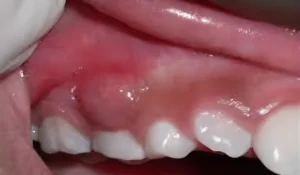
Look for a pimple-like bump on the gum with pus—see your dentist ASAP, as per Mayo Clinic advice.
Can allergies cause swelling post-root canal in Chicago?
Rarely, but latex or filling sensitivities can. Mention allergies pre-procedure.
What’s the best pain relief for swelling after root canal?
Ibuprofen for dual pain/swelling relief; acetaminophen if you can’t take NSAIDs.
Does smoking worsen gum swelling after root canal?
Yes—nicotine constricts vessels, slowing healing. Pause for at least 72 hours.
How much does root canal retreatment cost in Chicago?
Varies $800-$1,500; insurance often covers part. We help navigate at EliteFixDenture.
People Also Ask: Why Does My Face Swell After Root Canal?
It signals deeper inflammation—monitor closely and call if it doesn’t improve in 48 hours.
Can children experience gum swelling after root canal?
Yes, but pediatric cases need gentle care. Link to our pediatric dentistry page.
This article is for informational purposes only and not a substitute for professional dental advice. Consult your dentist for personalized guidance.
For expert dental care in Chicago, including root canal follow-ups and restorative solutions, visit EliteFixDenture.com or book in Lakeview today.
Reviewed by Dr. Aziz Liaquat, Implant Dentistry