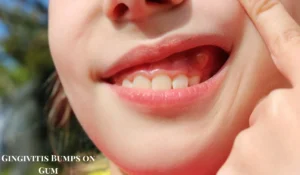
Gingivitis Bumps on Gum
If you’ve noticed a small, tender bump on your gum while brushing after a windy day along Lake Michigan, you’re not alone. Many folks in Chicago’s bustling neighborhoods like Lincoln Park or Lakeview spot these unexpected lumps and wonder if it’s tied to everyday gum irritation from gingivitis. The good news? Most gum bumps are treatable, especially when caught early. As a trusted dental practice serving the Windy City, EliteFixDenture.com is here to guide you through what these bumps mean, why they happen, and how to keep your smile healthy.
Quick Answer: Are Bumps on Gums a Sign of Gingivitis?
Gum bumps linked to gingivitis often stem from plaque buildup causing inflammation and swelling, which can feel like a puffy or raised area. They’re usually not “bumps” in the hard-lump sense but soft, red swellings that bleed easily. If painful or persistent, they might signal an abscess or overgrowth—see a Chicago dentist promptly to rule out complications. Early care reverses most cases in 1–2 weeks.
Key Dental Terms About Gingivitis Bumps on Gum
Gingivitis Bumps on Gum
Refers to small, swollen spots or nodules caused by gum inflammation. These bumps often appear near the tooth line and signal the early stages of gingivitis when plaque buildup irritates the gums.
Swollen Gums from Gingivitis
Describes puffiness, redness, or tenderness in gum tissue due to bacterial infection or poor oral hygiene. Regular brushing and professional cleanings at Chicago clinics like Elite Fix Denture can reverse it early.
Gum Abscess
A painful pocket of pus caused by bacterial infection near a tooth root or gumline. It often appears as a visible bump and needs urgent dental treatment to prevent bone loss or sepsis.
Gingival Hyperplasia Treatment
Refers to managing gum overgrowth (enlarged or thickened gums) caused by inflammation, certain medications, or plaque buildup. Chicago dentists may recommend scaling, surgery, or improved hygiene to restore gum shape.
Causes of Bump on Gum
Includes plaque buildup, trapped food particles, abscess formation, or irritation from dental appliances. Identifying the cause helps prevent infection and protect surrounding teeth.
Painful Lump on Gum Line
Describes a tender swelling along the gum margin, often linked to abscess, trauma, or gum disease. Persistent pain means infection may be spreading beneath the tissue.
White Bump on Gum Near Tooth
May signal a draining abscess, canker sore, or calcified deposit under the gum. Professional evaluation ensures proper diagnosis before infection worsens.
How to Treat Gum Swelling at Home
Focuses on temporary relief—warm saltwater rinses, cold compresses, and good oral hygiene. For Chicago residents, same-day dental care ensures full recovery and infection control.
What Causes Bumps on Your Gums?
Bumps on gums aren’t always a direct symptom of gingivitis, but the two often overlap. Gingivitis, the earliest stage of gum disease, starts with plaque—a sticky bacterial film—irritating your gumline. Over time, this leads to redness, puffiness, and sometimes raised areas that feel bumpy. According to the Mayo Clinic, poor oral hygiene lets plaque harden into tartar, trapping more bacteria and swelling the gums.
In Chicago’s fast-paced life—think grabbing a deep-dish slice without flossing afterward—this buildup sneaks up quickly. But let’s break down the main culprits:
How Gingivitis Leads to Gum Swelling and Bumps
- Plaque and Inflammation: Daily bacteria from food and saliva form plaque. If not brushed away, it irritates gums, causing gingivitis. Swollen tissues can mimic “bumps,” especially along the gumline.
- Progression to Abscess: Untreated gingivitis lets bacteria invade gum pockets, forming pus-filled bumps (periodontal abscesses). These look like dark, pimply swells and throb with pain. Cleveland Clinic notes gum disease as the top risk factor.
- Gingival Hyperplasia: Chronic inflammation from gingivitis can overgrow gums, creating firm, bumpy ridges. Colgate explains this as an exaggerated response to plaque, sometimes worsened by hormones or meds like blood pressure pills.
Other Common Causes of Gum Bumps
Not every bump ties back to gingivitis. Here’s a quick comparison:
| Cause | Description | Link to Gingivitis? |
| Cyst | Fluid-filled sac near tooth roots; grows slowly, often painless until infected. | Indirect—plaque from gingivitis can infect it. |
| Canker Sore | White/yellow ulcer at gum base; triggered by stress or acidic foods. | No, but inflamed gums from gingivitis make them more likely. |
| Fibroma | Hard, noncancerous lump from irritation (e.g., ill-fitting dentures). | Rare direct link; poor hygiene worsens irritation. |
| Pyogenic Granuloma | Red, bleeding bump from minor injury; common in pregnancy. | Hormonal shifts can mimic gingivitis swelling. |
| Torus | Bony growth on jaw; harmless, genetic. | None. |
| Oral Cancer | Persistent sore or lump; rare but serious. | Smoking/tobacco raises gingivitis risk too. |
The American Dental Association reports that 47% of U.S. adults over 30 have gum disease like gingivitis, per their 2023 survey—putting Chicagoans at similar odds if we’re skimping on floss amid busy commutes.
Gum Bump Progression Chart: From Mild Irritation to Infection
Even a small gum bump can change quickly depending on how much bacteria or plaque is involved. Use this quick-view chart to spot where your gum issue might fall before it becomes serious:
| Stage | Appearance | Pain Level | Recommended Action |
|---|---|---|---|
| Early (Mild Gingivitis) | Slight redness or mild swelling along the gumline | Low | Improve brushing and flossing habits; rinse with warm salt water |
| Moderate (Gum Inflammation) | Puffy bump that may bleed when brushing | Medium | Schedule a professional dental cleaning at a Chicago clinic |
| Severe (Abscess or Infection) | Visible pus-filled bump, throbbing pain, or facial swelling | High | Seek urgent care — may require antibiotics, drainage, or deep cleaning |
Pro Tip:
Chicago’s cold, dry winters can worsen gum irritation. Keep hydrated and maintain your brushing routine to prevent early inflammation from turning into a full-blown abscess.
Symptoms of Gingivitis-Related Gum Bumps
Spotting the signs early can save you a stressful ER trip. With gingivitis, expect:
- Red, Puffy Gums: Soft swelling along teeth, feeling bumpy to the touch.
- Bleeding: Easy during brushing— a classic gingivitis red flag.
- Tenderness or Pain: Mild ache, worsening if an abscess forms (throbbing, feverish).
- Bad Breath: Bacteria party in your mouth.
One Lakeview patient shared, “I thought my gum bump was from clenching during Cubs games, but it was just early gingivitis—cleared up with better brushing!”
If painless and hard, it might be a fibroma or torus, per Healthline.
When Should You See a Dentist for a Gum Bump?
Don’t wait if your bump lasts over two weeks, grows, bleeds heavily, or comes with fever/jaw pain—these scream infection spread. In Chicago’s cold winters, dry air can dry out mouths, worsening symptoms. Schedule with us for a quick check; we’re just blocks from the L train.
Are Bumps on Gums Always Serious?
No, most are benign like canker sores or tori, healing in 1–2 weeks. But if tied to untreated gingivitis, they can lead to bone loss. Always err on caution—early visits prevent bigger issues.
Diagnosing the Issue
Your dentist starts with a gentle exam, probing gum pockets and checking for plaque. X-rays spot hidden abscesses or bone changes. For hyperplasia, a biopsy rules out rarities. Dr. Aziz Liaquat, our implant dentistry expert, often spots these during routine cleanings and explains next steps plainly.
Treatment Options for Gum Bumps
Good news: Gingivitis is reversible! Treatment matches the cause.
Home Care for Mild Gingivitis Swelling
- Rinse with warm salt water (1 tsp salt in 8 oz water) 2–3 times daily to soothe.
- Brush softly with fluoride toothpaste; floss daily.
- Over-the-counter gels like Orajel ease pain.
Professional Treatments
- Deep Cleaning: Scaling removes tartar; root planing smooths roots to fight bacteria.
- Drainage/Antibiotics: For abscesses, a quick incision drains pus, plus meds.
- Surgery: Gingivectomy trims overgrowth; rare for simple cases.
Costs vary: Cleanings run $100–$300 in Chicago; abscess care $200–$500. Insurance often covers basics.
How Do You Treat a Bump on the Gum from Gingivitis?
Start with improved hygiene to reverse inflammation. If swollen, your dentist may prescribe antimicrobial rinses or antibiotics. Most heal in 7–10 days with care.
Preventing Gingivitis and Future Bumps
Prevention beats cure—especially in Chicago, where coffee runs tempt plaque buildup. Tips:
- Brush 2x daily, floss once.
- Eat crunchy veggies over sugary snacks.
- Quit smoking; limit alcohol.
- Visit twice yearly for cleanings.
Quick Tips Callout:
- Floss First: Loosens debris before brushing.
- Mouthwash Magic: Antiseptic types cut bacteria 50%, per ADA.
- Hydrate: Combat dry mouth from winter heaters.
How Long Do Bumps on Gums from Gingivitis Take to Heal?
With consistent care, swelling fades in 3–7 days; full recovery in 1–2 weeks. Persistent? It may need pro help to avoid periodontitis.
Frequently Asked Questions (FAQs)
- What does a gingivitis bump on the gum look like?
Often red, soft, and puffy—less a hard lump, more swollen tissue that bleeds easily. - Can gingivitis cause white bumps on gums?
Yes, if it leads to canker sores or thrush; otherwise, white spots signal infection—see your dentist. - Are gum bumps in Chicago winters common?
Absolutely—dry air and holiday sweets amp up plaque. Stay hydrated and consistent with hygiene. - How can I tell if my gum bump is cancerous?
If it doesn’t heal in 2 weeks, bleeds often, or numbs—get checked immediately. - Does stress worsen gingivitis bumps?
Yes, it weakens immunity, letting bacteria thrive. Try relaxation apps alongside brushing. - What’s the difference between a gum abscess and gingivitis?
Gingivitis is early inflammation; an abscess is pus from advanced infection—treat both ASAP. - Can kids get gingivitis bumps on gums?
Rare, but poor brushing leads to it. We offer kid-friendly checkups in Lincoln Park. - Should I pop a bump on my gum?
Never—it spreads infection. Rinse and call us instead. - How does diet affect gum bumps in Chicago?
Sugary treats like Garrett’s popcorn feed bacteria; opt for vitamin C-rich foods to boost gum health.
Disclaimer: This article is for informational purposes only and not a substitute for professional dental advice. Consult your dentist for personalized care.
For expert dental care in Chicago, visit EliteFixDenture.com or call today. Your healthy smile awaits—let’s fix it together!
Reviewed by Dr. Aziz Liaquat, Implant Dentistry