Denture Reline Changes
As a Chicago resident navigating the windy city’s fast pace—from bustling Lincoln Park walks to cozy Lakeview dinners—you deserve dentures that feel like a natural part of your smile, not a daily hassle. If your dentures have started slipping or causing discomfort, it’s likely due to natural mouth changes over time. A denture reline can make all the difference, reshaping your denture base for a snug, secure fit.
Quick Answer: What Changes with a Denture Reline?
A denture reline reshapes the underside of your dentures by adding new material to match gum and bone shifts, restoring comfort and function without a full replacement. Expect improved stability, reduced soreness, and easier chewing—changes that often last 1–2 years, per Cleveland Clinic guidelines.
💬 Expert Insight — Dr. Aziz Liaquat:
“Regular relines maintain both comfort and jawbone health. Ignoring looseness often leads to oral sores or poor nutrition.”
Key Dental Terms About Denture Reline Changes
Denture Reline
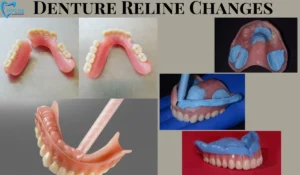
A dental procedure that resurfaces the tissue side of a denture with new acrylic or soft material to match current gum contours, restoring comfort and stability without replacing the denture.
Denture Reline Changes
Refers to the adjustments made to improve denture fit as gums and bone naturally shrink or reshape over time. Helps prevent soreness and looseness caused by mouth changes.
Soft Denture Reline
A cushioning reline using flexible, silicone-like material to relieve pressure on tender gums. Ideal for new denture wearers or those with sensitive oral tissues.
Hard Denture Reline
A permanent reline that replaces the inner acrylic layer of a denture for long-term durability and improved retention. Commonly performed in a dental lab for precision fit.
Denture Refit
The process of modifying an existing denture’s base to adapt to gum resorption or tissue changes, ensuring stable alignment and bite function.
Loose Dentures Fix
A corrective adjustment that restores proper suction and comfort for slipping or rocking dentures through relining, rebasing, or soft liner application.
Gum Shrinkage (Alveolar Bone Loss)
Natural bone and tissue resorption that occurs after tooth loss, reducing ridge height and denture support. Regular relines help compensate for these changes.
Mouth Changes After Tooth Loss
Includes jawbone remodeling, reduced gum volume, and altered oral contours that affect denture fit. Periodic check-ups prevent discomfort and instability.
Denture Adjustment
Minor chairside modifications that improve bite balance, eliminate sore spots, and enhance speech after a reline or new denture fitting.
Denture Care and Maintenance
Daily cleaning, overnight soaking, and regular dental visits that extend the life of relined dentures and prevent infections or material wear.
EliteFixDenture Chicago Specialists
Local prosthodontic experts providing customized soft and hard relines, on-site lab adjustments, and implant-supported solutions for improved oral comfort and function.
What Is a Denture Reline and Why Do Mouth Changes Happen?
Imagine enjoying a deep-dish pizza in Chicago without your dentures shifting—that’s the peace a reline brings. A denture reline is a straightforward dental procedure that resurfaces the tissue side of your existing dentures with new acrylic material, adapting to the evolving shape of your gums and jawbone. It’s not a full redo; it’s a targeted refresh.
Over time, your mouth isn’t static. After tooth loss, the jawbone resorbs (shrinks) at a rate of up to 25% in the first year, according to the American Dental Association (ADA). Factors like aging, weight changes, or even habits like clenching exacerbate this, leading to loose fits. Many Lakeview patients we see notice these shifts after 6–12 months, turning simple meals into frustrating ordeals.
Learn more about denture care from the ADA
Signs Your Dentures Need a Reline: Spotting the Changes Early
Don’t wait for full discomfort—early signs can prevent sores or infections. Common indicators include:
- Slipping or rocking: Dentures move while eating or speaking, signaling gum shrinkage.
- Soreness or irritation: Red, tender spots on gums from friction.
- Chewing challenges: Food gets trapped, or you avoid harder foods like Chicago’s famous Italian beef.
- Speech changes: Whistling sounds or lisping, as the denture no longer supports your tongue properly.
- Facial changes: Sagging cheeks from poor fit, affecting your confident smile.
If you’ve had dentures for over a year, a check-up at our Chicago clinic can catch these early. According to Mayo Clinic experts, loose dentures increase infection risk if ignored.
Types of Denture Relines: Which Fits Your Needs?
Not all relines are the same—your dentist chooses based on your gum health and lifestyle. Here’s a quick comparison:
| Type | Description | Best For | Duration |
| Soft Reline | Cushioned, flexible material for comfort | Tender gums, new denture wearers | 1–2 years |
| Hard Reline | Durable acrylic for long-term stability | Everyday use, minimal sensitivity | 2–4 years |
| Temporary | Quick-fix liner for short-term relief | Travel or immediate adjustments | 3–6 months |
Soft relines shine for patients with flat ridges, common in older Chicagoans battling bone loss.
The Step-by-Step Denture Reline Process
We keep it gentle and efficient at EliteFixDenture, often completing it in one visit. Here’s what to expect:
- Consultation: We examine your mouth for changes and discuss options—think of it as a quick chat over coffee.
- Impression: Border-mold material captures your current gum shape; it’s like a soft, minty putty.
- Lab Adjustment: Your dentures go to our on-site lab (or a trusted partner) for resurfacing—1–3 days turnaround.
- Fitting: Back in the chair, we fine-tune for bite and comfort. No drilling, just precision.
The whole process? Under an hour for impressions, with minimal downtime. Patients often leave feeling the “ahh” of relief right away.
What Changes After a Reline? Immediate and Long-Term Improvements
Post-relines, the magic happens quickly.
Immediate changes: A tighter seal reduces slippage, easing speech and chewing—many notice this within hours. Gums get a break from pressure, healing minor sores.
Long-term shifts: Better nutrient intake from comfortable eating supports overall health. Studies show relined dentures improve quality of life, with 70% of patients reporting higher satisfaction after adjustments. In Chicago’s diverse neighborhoods, this means savoring global flavors without worry.
However, monitor for adaptation: Speech might feel “off” for a day or two as your mouth adjusts.
Benefits vs. Risks: Is a Reline Right for You?
Relining is a smart, affordable bridge to lasting oral health.
Pros:
- Cost-effective (more on that below).
- Preserves your familiar denture look.
- Quick recovery—back to normal in days.
Cons/Risks:
- Temporary fix; not ideal for severe bone loss.
- Rare allergic reactions to materials (we test first).
- Potential warping if not cared for properly.
To minimize risks, follow aftercare religiously. For severe changes, consider implants—See our veneers for cosmetic boosts.
How Often Should You Get a Denture Reline in Chicago?
Frequency depends on your mouth’s pace of change. Cleveland Clinic recommends every 1–2 years, or sooner if symptoms arise. In humid Chicago summers, faster resorption might mean annual checks for some.
A 2022 study found relines most common in the first year post-denture, with incidence dropping but steady over 20 years.
Cost of Denture Relining in Chicago
Affordable care shouldn’t compromise quality. In Chicago, expect $200–$500 per arch for a standard reline, varying by type and clinic—soft options on the higher end for their cushioning. We offer flexible financing at EliteFixDenture to fit your budget.
Quick Tip Callout Box:
Save on Relines: Clean daily and attend bi-annual check-ups to extend your denture’s life—potentially delaying costs by 6–12 months!
NIH insights on denture material durability
Aftercare: Keeping Your Reline Changes Lasting
Post-relines, treat your dentures kindly:
- Soak nightly in cool solution (no hot water—warps material).
- Brush gently with soft tools.
- See us every 6 months for tweaks.
Relatable story: One Lincoln Park patient, a retired teacher, shared how her reline let her host book club without hiding her smile—small changes, big joy.
FAQ: Common Questions About Denture Reline Changes
- What is the difference between a soft reline and a hard reline?
Soft provides cushion for sensitive gums; hard offers durable stability for daily wear—ideal for active Chicago lifestyles. - How long does a denture reline take?
Impressions: 30–60 minutes; full process: 1–3 days with lab work. - Is denture relining painful?
Rarely—topical numbing ensures comfort, like a routine cleaning. - How often should dentures be relined in Chicago?
Every 1–2 years, or as mouth changes from urban stress or aging prompt. - What happens during a denture fitting after reline?
We adjust bite and edges for seamless speech and chewing. - Can I eat normally right after a reline?
Soft foods first day; by day two, enjoy that Chicago hot dog. - Why is relining essential for denture care?
Prevents sores, infections, and nutritional gaps from poor fit. - How should I adjust to changes after a reline?
Practice speech exercises; full adaptation in 1–2 weeks. - When is rebasing better than relining?
For major structural shifts—ask during your Lakeview consult.
This article is for informational purposes only and not a substitute for professional dental advice. Consult your dentist for personalized care.
Ready to restore your smile’s comfort? Schedule your denture reline consultation today at EliteFixDenture Chicago.
Reviewed by Dr. Aziz Liaquat, Implant Dentistry