Dental Bridges
If loose or missing teeth are holding you back in Chicago, dental bridges can restore a confident, natural bite in just a couple of visits. For many Chicagoans dealing with missing teeth, dental bridges offer a reliable path back to that comfort. But like any treatment, they come with trade-offs.
Quick Answer: Dental bridges are fixed prosthetics that replace one or more missing teeth by anchoring a false tooth (pontic) to adjacent healthy teeth. Major pros include restoring chewing and speech while preventing tooth shifting, often at a lower upfront cost than implants. Cons involve altering healthy teeth and not halting jawbone loss, with a typical lifespan of 5–15 years.
Key Dental Terms About Dental Bridges
Fixed Partial Denture (FPD)
The professional term for a dental bridge permanently cemented to natural teeth or implants. Provides stable, long-lasting tooth replacement without removal.
Cantilever Bridge
A bridge design supported by only one abutment tooth, commonly used for front teeth where less chewing force occurs.
Maryland Bridge
A conservative bridge type using a bonded metal or porcelain framework behind the abutment teeth—often chosen for single front-tooth gaps.
Implant-Supported Bridge
A bridge anchored by dental implants rather than natural teeth. Prevents jawbone loss and provides superior strength for multiple missing teeth.
Temporary Bridge
A short-term replacement placed while a permanent bridge is being fabricated, protecting reshaped teeth and maintaining alignment.
Bridge Longevity
Average lifespan of 5–15 years depending on materials, hygiene, and bite pressure. Regular check-ups help extend this duration.
Oral Hygiene Under Bridges
Refers to cleaning practices using floss threaders, interdental brushes, or water flossers to prevent plaque accumulation around and beneath the bridge.
Bone Resorption Prevention
Implant-supported bridges or regular dental monitoring help slow bone loss under pontic areas, preserving facial contour and gum support.
EliteFixDenture Chicago Experts
Local specialists in restorative and cosmetic dentistry offering traditional, Maryland, and implant-supported bridges designed for long-term comfort and aesthetics.
What Is a Dental Bridge?
A dental bridge is a custom-made, fixed device that “bridges” the gap left by one or more missing teeth. It consists of a false tooth—called a pontic—flanked by crowns that attach to the healthy teeth on either side, known as abutments. Unlike removable dentures, bridges stay in place permanently, blending seamlessly with your natural smile.
Think of it like a sturdy walkway over a Chicago River gap: it connects what’s there to restore balance. According to the Cleveland Clinic, bridges not only fill spaces but also support overall oral health by distributing bite forces evenly.
Many of our patients in bustling neighborhoods like Lakeview come to us after losing a tooth to decay or injury, seeking a solution that feels natural. If you’re experiencing gaps from gum disease—a common issue in urban areas with on-the-go lifestyles— a bridge could be a game-changer.
Dr. Aziz Liaquat reminds patients: “Daily flossing beneath the pontic is key to extending bridge life and preventing irritation.”
Types of Dental Bridges
Not all bridges are created equal. Your Chicago dentist will recommend the best type based on your oral health, location of missing teeth, and budget. Here’s a breakdown:
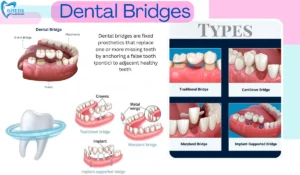
- Traditional Bridge: The most common, using crowns on both abutment teeth to hold the pontic. Ideal for gaps with strong neighboring teeth.
- Cantilever Bridge: Anchored to just one abutment tooth; best for front teeth where force is lower.
- Maryland Bridge: A metal or porcelain framework bonded to the backs of abutments—less invasive, often for front teeth.
- Implant-Supported Bridge: Pontics secured by dental implants in the jawbone; strongest for multiple missing teeth but requires surgery.
As noted by Healthline, traditional bridges suit most cases, while implant-supported ones shine for long-term stability.
Major Pros of Dental Bridges
Dental bridges shine for their practicality and immediate impact. Here’s why many Chicago patients choose them:
- Restores Natural Function Quickly: You’ll chew, speak, and smile with ease in just two visits—far faster than implants, which need months of healing. No more dodging tough foods at your favorite Wrigleyville spot.
- Enhances Aesthetics and Confidence: Custom-matched to your teeth’s color and shape, bridges deliver a seamless look. Patients often tell us it feels like their smile “snapped back” overnight.
- Prevents Tooth Shifting: Gaps can cause neighboring teeth to drift, leading to bite issues or further loss. Bridges hold everything in place, per ADA guidelines.
- Cost-Effective Upfront: Typically $1,500–$5,000 in Chicago (per local estimates), often covered by insurance—unlike pricier implants.
- Minimally Invasive (for Most Types): No jaw surgery needed for traditional options, making it gentler for anxious patients.
A 2023 NIH review highlights bridges’ 96% annual survival rate initially, supporting their reliability for everyday use.
Major Cons of Dental Bridges
While effective, bridges aren’t perfect. Awareness of drawbacks helps set realistic expectations:
- Alters Healthy Teeth: Abutments must be filed down for crowns, removing enamel irreversibly and raising decay risk in those teeth.
- Doesn’t Prevent Bone Loss: Without a root-like structure, the jawbone beneath the pontic can resorb over time, potentially changing facial contours.
- Shorter Lifespan: Last 5–15 years with excellent care, per Cleveland Clinic data; replacements add up.
- Cleaning Challenges: Plaque can trap under the bridge, increasing gum disease odds if hygiene slips—vital in Chicago’s variable water quality.
- Potential for Complications: Rare but possible issues like crown loosening or sensitivity, with NIH studies noting 1–2% annual complication rates.
One Lakeview patient shared how initial discomfort faded, but diligent flossing became her new routine to avoid these pitfalls.
Dental Bridges vs. Implants: A Quick Comparison
Wondering if bridges beat implants? Both replace missing teeth, but here’s a side-by-side for clarity (data from Healthline and NIH):
| Aspect | Dental Bridges | Dental Implants |
| Durability | 5–15 years; 79–82% 10-year survival | 15+ years; 97% 10-year success |
| Impact on Teeth | Alters adjacent healthy teeth | Preserves natural teeth; stimulates bone |
| Procedure Time | 2 visits, 2 weeks total | 3–6 months with surgery |
| Cost in Chicago | $1,500–$5,000 | $3,000–$6,000+ per tooth |
| Bone Loss | Doesn’t prevent it | Halts resorption |
| Best For | Multiple gaps, budget focus | Single teeth, long-term investment |
For deeper dives, check our dental implants page. Implants edge out for longevity, but bridges win for speed—Dr. Aziz Liaquat often guides patients on this choice.
The Dental Bridge Procedure: What to Expect Step-by-Step
No need for dread—it’s straightforward, like a routine filling with extra polish:
- Consult & Prep: X-rays check fit; local numbing eases reshaping of abutment teeth.
- Impressions: We mold your bite for lab crafting (or same-day CAD/CAM).
- Temporary Fit: A placeholder protects while your permanent bridge bakes.
- Final Placement: Cemented in, adjusted for bite—home by lunch!
Recovery? Mild soreness for 1–2 days; ibuprofen handles it. See our pediatric care for family options.
How Long Do Dental Bridges Last?
With proper care, dental bridges endure 5–15 years, influenced by materials (porcelain lasts longer) and habits like grinding. ADA surveys show good oral hygiene boosts this to the higher end. In Chicago’s active lifestyle, factors like coffee stains or sports injuries can shorten it—regular checkups help.
Who Needs a Dental Bridge?
If you’ve lost a tooth due to decay, injury, or gum disease, a bridge might be right for you. Common candidates include:
- Adults with 1–2 adjacent missing teeth.
- Those with healthy abutment teeth for support.
- Patients seeking a fixed alternative to dentures.
Consult a specialist if you have severe gum issues—Dr. Aziz Liaquat, our Implant Dentistry expert, often assesses these cases at EliteFixDenture
Cost of Dental Bridges in Chicago
Expect $2,000–$4,500 for a traditional bridge here, per local practices. Maryland types run $1,500–$2,500; implant-supported up to $15,000. Insurance often covers 50–80%, but verify. We tailor quotes at EliteFixDenture to fit your needs without surprises.
Caring for Your Dental Bridge: Aftercare Tips
Post-placement, treat it like natural teeth:
- Brush twice daily with a soft brush; floss using threaders or water flossers.
- Rinse with fluoride mouthwash to fight plaque.
- Avoid hard foods initially; schedule biannual cleanings.
A quick tip box: Pro Tip – Use interdental brushes for under-bridge cleaning to sidestep 30% of common complications (NIH data).
FAQs About Dental Bridge
Is a Dental Bridge Painful?
Most patients feel mild soreness for a few days, managed with over-the-counter pain relievers. Local anesthesia keeps placement comfortable—no worse than a filling.
How Many Teeth Can a Dental Bridge Replace?
Typically 1–3 in a row; longer spans may need implants for stability. For bigger gaps, we discuss partial dentures.
What’s the Ideal Age for a Dental Bridge?
Any adult with healthy abutments qualifies—often 30s–60s after accidents or decay. Younger patients in Lincoln Park love them for sports-related losses.
Can Dental Bridges Fix Speech Issues?
Yes, by filling gaps that slur sounds, restoring clear pronunciation quickly.
Are Dental Bridges Covered by Insurance in Chicago?
Often yes, for medically necessary cases—up to 80% coverage. We help navigate Blue Cross or UnitedHealthcare plans common here.
Do Dental Bridges Feel Natural?
After a short adjustment (1–2 weeks), most say yes—they mimic real teeth in bite and look.
How Do I Know If I Need a Dental Bridge?
Signs include shifting teeth, chewing pain, or visible gaps. A quick exam spots if it’s right over veneers or orthodontics.
Do I need a root canal for a dental bridge?
Not always. Root canals are only needed if an abutment tooth has nerve symptoms or deep decay.
Which is better for back teeth: bridge or implant?
Implants generally handle heavy chewing forces better in molar areas; bridges can work when adjacent teeth already need crowns.
Can Dental Bridges Cause Gum Disease?
Only if uncleaned—proper hygiene prevents this, as emphasized by the ADA.
This article is for informational purposes only and not a substitute for professional dental advice. Consult your dentist for personalized recommendations.
For expert dental care in Chicago, visit EliteFixDenture.com or schedule in Lakeview today. Restore your smile—because every bite matters.
Reviewed by Dr. Aziz Liaquat, Implant Dentistry