Canker Sore Treatment
Quick Answer
Canker sores are small, painful ulcers inside the mouth that typically heal on their own within 1-2 weeks. Treatment focuses on pain relief and faster healing through saltwater rinses, over-the-counter topical medications, and avoiding irritating foods. Most canker sores don’t require professional treatment, but severe or recurring sores may need prescription medications.
Introduction
If you’ve ever experienced the sharp pain of a canker sore while enjoying your morning coffee or biting into a slice of deep-dish pizza, you know how these tiny mouth ulcers can disrupt your day. Many of our Chicago patients at EliteFixDenture.com visit us asking about these frustrating sores, especially when they make eating, drinking, or even talking uncomfortable.
While canker sores typically heal on their own, understanding effective treatment options can significantly reduce your discomfort and speed up healing. This comprehensive guide covers everything you need to know about canker sore treatment, from immediate pain relief to prevention strategies that work.
What Are Canker Sores?
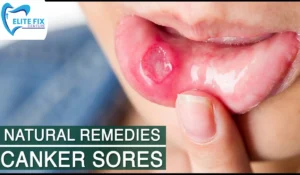
Canker sores, medically called aphthous ulcers, are small, shallow lesions that develop on the soft tissues inside your mouth. These painful sores appear as round or oval spots with a white or yellow center surrounded by a bright red border.
Where Canker Sores Appear
You’ll typically find canker sores on:
- Inside of your cheeks
- Inside of your lips
- On your tongue
- At the base of your gums
- On the soft palate (roof of your mouth)
- Inside your throat
Unlike cold sores, which appear on the outside of your lips and are caused by the herpes virus, canker sores only occur inside the mouth and are not contagious.
Types of Canker Sores
Minor Canker Sores (85% of cases)
- Small size (less than 1/3 inch)
- Round or oval shape
- Heal without scarring in 1-2 weeks
- Most common type
Major Canker Sores (15% of cases)
- Larger than 1/2 inch in diameter
- Deeper and more painful
- May take up to 6 weeks to heal
- Can leave scarring
Herpetiform Canker Sores (5% of cases)
- Clusters of tiny ulcers (10-100 sores)
- Usually appear in adults
- Heal in about 1 week
- Despite the name, not related to herpes
Common Causes and Triggers
The exact cause of canker sores remains unknown, but research has identified several triggers. The Mayo Clinic’s research on canker sore causes also highlights mouth injuries, stress, acidic foods, and vitamin deficiencies as common triggers. Many Lincoln Park and Lakeview patients we see at EliteFixDenture.com report getting canker sores during stressful times, like tax season or when preparing for big presentations.
Primary Triggers
Physical Injury
- Accidentally biting your cheek or lip
- Aggressive tooth brushing
- Dental work or braces rubbing
- Sharp tooth edges
- Ill-fitting dentures
Dietary Factors Common trigger foods include:
- Citrus fruits (oranges, lemons, pineapples)
- Acidic foods (tomatoes, strawberries)
- Spicy foods
- Coffee
- Chocolate
- Nuts
- Eggs
- Cheese
Nutritional Deficiencies
- Vitamin B12 deficiency
- Iron deficiency
- Folate (folic acid) deficiency
- Zinc deficiency
Stress and Hormonal Changes
- High stress levels
- Menstrual periods
- Hormonal fluctuations
Oral Hygiene Products
- Toothpaste containing sodium lauryl sulfate (SLS)
- Mouthwash with alcohol
Associated Medical Conditions
While most canker sores occur without underlying health issues, recurring sores may be linked to:
- Celiac disease
- Inflammatory bowel disease (Crohn’s disease, ulcerative colitis)
- Behçet’s disease
- HIV/AIDS
- Lupus
- Weakened immune system
Symptoms to Watch For
Most people experience warning signs before a canker sore appears:
Early Symptoms (24-48 hours before)
- Tingling or burning sensation
- Slight swelling in the area
- Itching or stinging feeling
Active Sore Symptoms
- Sharp, intense pain (often disproportionate to the size)
- Round or oval ulcer with white/yellow center
- Bright red border around the sore
- Difficulty eating, drinking, or speaking
- Pain worsens with acidic or spicy foods
- Generally no fever or other systemic symptoms
Most canker sores are painful for 3-7 days, with healing complete within 2 weeks.
According to WebMD’s clinical overview of canker sores, these ulcers typically present with a white or yellow center and a red, inflamed border, which matches what most Chicago patients report.
Effective Canker Sore Treatments
Over-the-Counter Treatments
Topical Oral Gels and Creams Products containing these active ingredients provide relief:
- Benzocaine (Anbesol, Orajel): Numbs pain temporarily
- Lidocaine: Provides stronger numbing effect
- Hydrogen peroxide: Reduces bacteria and promotes healing
- Fluocinonide: Anti-inflammatory corticosteroid
How to apply:
- Dry the area gently with a clean tissue
- Apply a small amount directly to the sore using a clean cotton swab
- Repeat 3-4 times daily
- Avoid eating or drinking for 30 minutes after application
Oral Pain Relievers
- Ibuprofen (Advil, Motrin): Reduces inflammation and pain
- Acetaminophen (Tylenol): Relieves pain
- Naproxen (Aleve): Longer-lasting pain relief
Note: Never give aspirin to anyone under 20 due to Reye syndrome risk.
Antimicrobial Mouth Rinses
- Chlorhexidine rinse: Reduces bacteria
- Rinses with dexamethasone: Prescription-strength anti-inflammatory
Home Remedies That Work
Saltwater Rinse ⭐ Most Effective The classic remedy many Chicago patients swear by:
- Mix 1 teaspoon salt in 1 cup warm water
- Swish gently for 30 seconds
- Spit out (don’t swallow)
- Repeat 4-6 times daily
Benefits: Reduces bacteria, draws out fluid, promotes healing
Baking Soda Rinse
- Dissolve 1 teaspoon baking soda in 1/2 cup warm water
- Rinse 2-3 times daily
- Helps neutralize acids and reduce inflammation
Hydrogen Peroxide Treatment
- Mix equal parts 3% hydrogen peroxide and water
- Apply with cotton swab directly to sore
- Follow with a dab of Milk of Magnesia
- Use 3-4 times daily
Honey Application Honey’s natural antibacterial properties aid healing:
- Apply small amount directly to sore
- Leave on for several minutes
- Repeat 2-3 times daily
Studies show honey can reduce pain and accelerate healing.
Ice Therapy
- Hold ice directly on the canker sore
- Continue until area is numb
- Provides immediate pain relief
- Reduces inflammation
Chamomile Tea Compress
- Brew chamomile tea and let cool slightly
- Apply wet tea bag directly to sore for a few minutes
- Contains anti-inflammatory compounds
- Repeat 3-4 times daily
Dietary Modifications
Foods to Eat:
- Soft, bland foods (yogurt, oatmeal, cream soup)
- Cool foods (smoothies, ice cream, pudding)
- Non-acidic fruits (bananas, melons)
- Mashed potatoes
- Scrambled eggs
- Lukewarm liquids
Foods to Avoid:
- Spicy foods
- Acidic foods (citrus, tomatoes)
- Salty snacks (chips, pretzels)
- Crunchy foods (toast, crackers)
- Hot beverages
- Alcohol
Pro Tip: Use a straw when drinking to bypass the sore area.
When to See a Dentist
Most canker sores heal on their own, but certain situations require professional care. Visit EliteFixDenture.com or your Chicago dentist if you experience:
Red Flags Requiring Attention
- Sores lasting longer than 3 weeks
- Unusually large sores (over 1/2 inch)
- Severe pain not relieved by OTC treatments
- Multiple sores appearing at once
- High fever accompanying sores
- Difficulty eating or drinking due to pain
- Sores spreading to lips (external)
- Recurring sores (more than 3-4 times per year)
- Signs of infection (increased redness, warmth, pus)
Professional Treatment Options
Prescription Medications Dr. Maya Lin at EliteFixDenture.com may prescribe:
- Corticosteroid ointments: Stronger anti-inflammatory action
- Prescription mouth rinses: Dexamethasone or tetracycline
- Oral steroid tablets: For severe cases
- Immunosuppressant medications: For recurring cases
Advanced Procedures
- Silver nitrate cauterization: Seals the sore for instant pain relief
- Laser therapy: Stimulates healing and reduces pain immediately
- Debacterol (chemical cautery): Professional-applied treatment
Preventing Future Canker Sores
Daily Prevention Strategies
Optimize Your Oral Hygiene
- Brush gently with a soft-bristled toothbrush
- Switch to SLS-free toothpaste (Tom’s of Maine, Sensodyne ProNamel)
- Use alcohol-free mouthwash
- Floss carefully to avoid tissue trauma
- Replace toothbrush every 3 months
Manage Stress Chicago’s fast-paced lifestyle can trigger canker sores:
- Practice meditation or deep breathing
- Exercise regularly
- Get adequate sleep (7-9 hours)
- Consider yoga or tai chi
Improve Your Diet
- Eat a balanced diet rich in vitamins
- Consider B-complex supplement if deficient
- Increase iron and folate intake
- Stay well-hydrated throughout the day
Avoid Trigger Foods Keep a food diary to identify your personal triggers:
- Note when canker sores appear
- Track foods eaten 24-48 hours before
- Eliminate suspected triggers for 2-3 weeks
- Gradually reintroduce one at a time
Protect Your Mouth
- Be mindful when chewing to avoid biting cheeks
- Get sharp tooth edges smoothed by your dentist
- Ensure dentures or braces fit properly
- Use orthodontic wax on rough braces
Supplement Support
Research suggests these may help reduce frequency:
- Vitamin B12: 1000 mcg daily
- Folic acid: 400-800 mcg daily
- Zinc: 15-30 mg daily
- L-lysine: 1000 mg three times daily during outbreaks
Always consult with Dr. Maya Lin before starting supplements.
Canker Sores vs. Cold Sores: Key Differences
Many patients confuse these two conditions. Here’s how to tell them apart:
| Feature | Canker Sores | Cold Sores |
|---|---|---|
| Location | Inside mouth only | Outside lips, around mouth |
| Cause | Unknown (not viral) | Herpes simplex virus (HSV-1) |
| Contagious | No | Yes |
| Appearance | White/yellow center, red border | Fluid-filled blisters |
| Symptoms | Pain, no fever | May have fever, tingling |
| Treatment | Pain relief, healing aids | Antiviral medications |
If you’re unsure which type you have, contact EliteFixDenture.com for an evaluation.
Frequently Asked Questions
How long does a canker sore take to heal?
Minor canker sores typically heal within 7-14 days without treatment. Major canker sores may take 3-6 weeks. Pain usually decreases significantly after the first week. Using treatment methods can reduce healing time by several days.
Can I speed up canker sore healing?
Yes! Saltwater rinses, avoiding irritating foods, applying honey or aloe vera, and using OTC numbing gels can accelerate healing. Maintaining good oral hygiene and staying hydrated also helps. Most patients see improvement within 3-5 days with proper care.
Are canker sores contagious?
No, canker sores are not contagious. Unlike cold sores caused by the herpes virus, you cannot spread canker sores through kissing, sharing utensils, or close contact. They’re a localized inflammatory response, not an infection.
What vitamin deficiency causes canker sores?
Deficiencies in vitamin B12, iron, folate, and zinc are commonly associated with recurring canker sores. Many Chicago patients at our practice benefit from a B-complex supplement. Blood tests can identify specific deficiencies that may be contributing to your canker sores.
Why do I keep getting canker sores?
Recurring canker sores (recurrent aphthous stomatitis) affect about 20% of the population. Common reasons include stress, hormonal changes, food sensitivities, nutritional deficiencies, or underlying health conditions. If you get canker sores more than 3-4 times per year, schedule an evaluation with Dr. Maya Lin to identify underlying causes.
Can stress cause canker sores?
Yes, stress is a significant trigger for canker sores. Many of our Lakeview patients notice outbreaks during exam periods, work deadlines, or major life events. Stress management techniques like meditation, exercise, and adequate sleep can reduce outbreak frequency.
What’s the best toothpaste for canker sores?
Choose toothpaste without sodium lauryl sulfate (SLS), which can irritate mouth tissues and trigger canker sores. Recommended brands include Sensodyne ProNamel, Tom’s of Maine SLS-Free, and Biotene. Many patients report fewer outbreaks after switching.
Should I see a dentist for a canker sore?
See a dentist if your canker sore lasts longer than 2-3 weeks, is unusually large or painful, occurs frequently (3+ times per year), or is accompanied by fever or difficulty eating. At EliteFixDenture.com, we can provide prescription treatments and identify underlying causes.
Can I eat normally with a canker sore?
You can eat, but choose soft, bland, non-acidic foods. Avoid spicy, salty, acidic, or crunchy foods that irritate the sore. Good options include yogurt, smoothies, mashed potatoes, scrambled eggs, and lukewarm soup. Use a straw for liquids to minimize contact with the sore.
Conclusion
Canker sores, while painful and frustrating, are manageable with the right approach. Most heal on their own within two weeks, but you can significantly reduce discomfort and speed healing using saltwater rinses, over-the-counter treatments, and dietary modifications.
The key to managing canker sores is understanding your personal triggers and taking preventive action. Whether it’s switching to SLS-free toothpaste, managing stress better, or addressing nutritional deficiencies, small changes can make a big difference in reducing outbreak frequency.
If you’re dealing with recurring or severe canker sores, don’t hesitate to seek professional care. At EliteFixDenture.com, Dr. Maya Lin specializes in cosmetic and general dentistry and can help identify underlying causes while providing effective treatment solutions.
Remember: occasional canker sores are normal, but frequent outbreaks deserve attention. With proper care and prevention strategies, you can minimize their impact on your daily life and keep your smile healthy and comfortable.
Disclaimer
This article is for informational purposes only and is not a substitute for professional dental or medical advice, diagnosis, or treatment. Always seek the advice of your dentist or other qualified healthcare provider with any questions you may have regarding a dental condition or treatment. Never disregard professional dental advice or delay in seeking it because of something you have read in this article.
For expert dental care in Chicago, visit EliteFixDenture.com or call us today to schedule your consultation.
Reviewed by Dr. Maya Lin, DDS Specialist in Cosmetic Dentistry EliteFixDenture.com, Chicago, IL