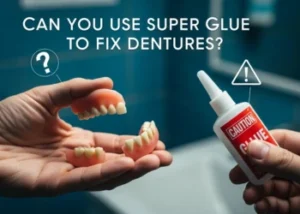
Can You Use Super Glue to Fix Dentures
Your dentures keep you smiling, eating, and chatting with confidence. But what happens when they crack or break? Many Chicago residents in Lincoln Park and Lakeview ask: Can you use super glue to fix dentures? The short answer is no. Quick fixes like super glue pose serious risks to your oral health. At EliteFixDenture.com, we prioritize your safety with professional solutions.
Why Super Glue Isn’t Safe for Denture Repairs
Super glue might tempt you during a late-night mishap, especially as Chicago’s chilly winter winds pick up and you huddle indoors. However, experts strongly advise against it. Super glue contains harsh chemicals that don’t bond well with denture materials. It can warp the plastic, irritate your gums, and make future repairs impossible.
Health Risks of DIY Denture Gluing
Attempting a home glue job endangers more than just your dentures. Consider these dangers:
- Toxic Irritation: Solvents in super glue release fumes that inflame mouth tissues, leading to sores or infections.
- Poor Fit and Damage: Glues create uneven bonds, causing misalignment that stresses your jaw and accelerates bone loss.
- Irreversible Harm: Once applied, removing super glue often ruins the denture entirely, forcing a costly replacement.
- Increased Cancer Risk: Chronic irritation from improper fixes heightens oral health threats, per trusted guidelines.
Don’t risk it—your mouth deserves better care.
What to Do If Your Dentures Break
A broken denture signals it’s time for expert attention. Rinse the pieces gently in cool water and store them safely. Avoid any DIY attempts, including over-the-counter kits or glues, which can cause permanent damage. Contact a professional right away for a precise fix.
In our Chicago practice, Dr. Aziz Liaquat, specializing in implant dentistry including dentures and extractions, handles repairs with cutting-edge techniques. He ensures your prosthetics fit like new, restoring comfort fast.
Signs Your Dentures Need Professional Help
Spot issues early to avoid bigger problems. Use this quick checklist:
| Sign | What It Means | Action Step |
| Cracks or chips | Material fatigue from wear | Schedule a repair visit |
| Loose fit | Gum shrinkage over time | Get a reline adjustment |
| Mouth sores | Irritation from poor alignment | See your dentist ASAP |
| Difficulty chewing | Misalignment affecting bite | Professional realignment needed |
| Unusual odor | Plaque buildup | Deep clean and evaluation |
As winter approaches in Lakeview, dry air can worsen denture discomfort—stay proactive with routine checks.
Essential Daily Denture Care Tips
Prevent breaks by maintaining your dentures daily. Simple habits extend their life up to 10 years. Follow these steps for a healthy smile.
- Rinse after every meal under lukewarm water to clear debris—never hot, as it warps plastic.
- Brush gently once or twice daily with a soft denture brush and non-abrasive cleanser; skip regular toothpaste to avoid scratches.
- Soak overnight in cool water or a mild solution to keep them hydrated and shaped.
- Clean your gums and tongue daily to fight bacteria and bad breath.
- Visit your dentist every six months for fittings and cleanings.
For more on safe practices, explore the American Dental Association’s guidelines on denture maintenance.
FAQs: Denture Repair Basics
Q: Can You Use Super Glue to Fix Dentures?
A:No, you should never use super glue to fix dentures. Super glue (cyanoacrylate) is not made for the mouth. It contains chemicals that become toxic when exposed to saliva, and it doesn’t bond safely with denture materials like acrylic. Instead of fixing the problem, it can:
Irritate or burn your gums and mouth tissues
Release harmful fumes and chemicals
Cause dentures to fit poorly or warp permanently
Make professional repairs more difficult or impossible later
Super glue is only meant for temporary household fixes—not for medical or oral use. If your dentures crack, feel loose, or break, the safest option is to store them in water and visit a denture specialist or dentist immediately.
Q: How long do dentures typically last?
A: With proper care, 7–10 years. Regular checkups help spot wear early.
Q: Can denture adhesive replace professional repair?
A: No—adhesives are temporary fixes for fit issues. See a pro for lasting solutions.
Q: What causes dentures to break most often?
A: Drops during cleaning, chewing hard foods, or age-related wear.
Q: Is relining the same as repairing a break?
A: Relining adjusts for loose fits; repairs mend cracks—both need expert hands.
Q: How do I store broken dentures until my appointment?
A: In a cool, dry container with a damp cloth—avoid glues or heat.
Q: Are there home remedies for minor denture cracks?
A: None recommended. DIY risks outweigh benefits; call your dentist.
Q: Does winter weather affect dentures in Chicago?
A: Yes—dry indoor heat can dry them out. Soak nightly and use humidifiers.
This article is for informational purposes only and not a substitute for professional dental advice.
For expert dental care in Chicago, visit EliteFixDenture.com today. Schedule your appointment and keep smiling through the seasons!
Reviewed by Dr. Aziz Liaquat, Implant Dentistry