adenoidid
Adenoidid’ is a common misspelling of adenoiditis or adenoids, and it generally refers to inflammation or enlargement of the adenoid glands located behind the nose.
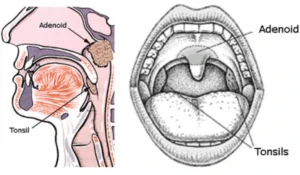
Adenoiditis is inflammation of the adenoid glands located behind the nose in the upper throat area. These glands are part of the immune system and help trap bacteria and viruses entering through the nose and mouth.
The adenoids belong to Waldeyer’s ring, a protective circle of lymphoid tissue surrounding the upper airway. They work alongside tonsils to fight infections during childhood.
Adenoids naturally grow largest between ages two and six years. They typically shrink during adolescence and often disappear completely by adulthood as the immune system develops other defense mechanisms.
Viral infections are the most common cause of adenoiditis. These include common cold, influenza, adenovirus, and rhinovirus. Bacterial infections from Streptococcus bacteria can also trigger inflammation requiring antibiotic treatment.
Other contributing factors include environmental allergies causing persistent tissue irritation. Gastroesophageal reflux disease allows stomach acid to reach the throat, potentially inflaming adenoid tissue over time.
Common symptoms include sore throat, runny or stuffy nose, and mouth breathing. Children often snore loudly and experience disturbed sleep patterns. Ear pain develops when swollen adenoids block tubes connecting the middle ear to the throat.
Additional signs include bad breath, swollen neck glands, and difficulty swallowing. Some children develop a nasal voice quality similar to speaking with a blocked nose.
Doctors diagnose adenoiditis through physical examination of the ears, nose, throat, and neck. Since adenoids cannot be seen directly by looking in the mouth, flexible nasopharyngoscopy may be performed. This involves inserting a tiny camera through the nose to visualize adenoid size and inflammation. X-rays provide additional assessment of tissue enlargement and airway obstruction.
Viral adenoiditis typically resolves within five to seven days without medication. Home care includes rest, adequate fluids, and fever reducers like acetaminophen or ibuprofen.
Bacterial infections require antibiotics, with amoxicillin being the first-line treatment. Symptoms usually improve within two to three days after starting antibiotics. The full medication course must be completed to prevent recurrence.
Nasal steroid sprays reduce swelling, particularly helpful for allergy-related enlargement. Saline rinses help clear mucus and irritants from nasal passages providing symptom relief.
Surgery becomes necessary for chronic or recurrent cases. Adenoidectomy is recommended when children experience frequent infections, severe breathing obstruction, or sleep apnea. The outpatient procedure takes approximately thirty minutes under general anesthesia.
Recovery typically requires less than one week at home. Most children return to normal activities within ten days with significant improvement in breathing and infection patterns.
Untreated chronic adenoiditis may cause persistent breathing problems affecting sleep quality and daytime functioning. Repeated ear infections can temporarily impact hearing and speech development in young children.
Parents should seek medical attention if symptoms persist beyond one week, fever continues despite medication, or breathing difficulties worsen. Early evaluation prevents complications and ensures appropriate treatment.
Medical Disclaimer: This information is educational only and does not replace professional medical advice. Consult qualified healthcare providers for diagnosis and treatment of adenoiditis.