
Symptoms of Nerve Damage After Wisdom Teeth Removal
Quick Answer
Nerve damage after wisdom teeth removal causes numbness, tingling, or burning sensations in the lower lip, chin, or tongue. According to clinical studies, 85-94% of cases resolve completely within 8 weeks, though symptoms require dental evaluation if lasting beyond 24 hours.
Understanding Nerve Damage After Wisdom Teeth Removal
Nerve damage, medically called paresthesia, occurs when nerves near wisdom teeth become stretched, compressed, or bruised during extraction. Research shows incident rates range from 0.4% to 8.4%, with most cases being temporary.
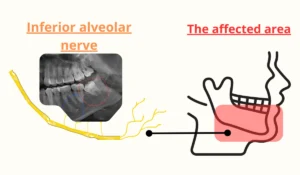
Two main nerves are at risk:
- Inferior Alveolar Nerve: Controls sensation in lower lip, chin, and teeth
- Lingual Nerve: Controls tongue sensation and taste
The good news? Permanent nerve damage affects less than 1% of patients.
Common Symptoms to Watch For
Sensory Changes
- Persistent numbness lasting beyond 24 hours (feels like anesthesia won’t wear off)
- Tingling or “pins and needles” sensation
- Burning feeling in affected areas
- Inability to feel hot or cold temperatures
- Loss of taste on one side of tongue
Functional Problems
- Difficulty speaking clearly
- Drooling due to reduced lip control
- Accidentally biting lip or tongue without feeling it
- Trouble eating or drinking normally
Pain Symptoms
- Sharp, electric shock-like sensations
- Constant burning pain
- Increased sensitivity to touch
Important: These symptoms differ from normal post-surgery discomfort. If numbness persists after your anesthesia should wear off (3-8 hours), contact your dentist.
Recovery Timeline
Week 1-2: Swelling decreases and true nerve status becomes clear. Most temporary injuries begin showing improvement.
8 Weeks: Clinical studies show 85-94% of patients achieve complete recovery by this point.
3-6 Months: Continued improvement for moderate injuries. Half of all affected patients recover fully by 6 months.
Beyond 6 Months: Cases lasting longer are considered persistent paresthesia (0-0.9% of extractions). Some improvement may still occur up to one year.
Nerves regenerate slowly at approximately 1mm per day, so patience is essential during recovery.
When to Seek Help
Contact your dentist immediately if you experience:
- Numbness lasting more than 24-48 hours
- No improvement after one week
- Worsening symptoms
- Complete loss of sensation
- Symptoms combined with fever or increased swelling
Early evaluation improves outcomes. Chicago patients can access specialized care through EliteFixDenture and major medical centers like Northwestern Medicine and University of Illinois College of Dentistry.
Risk Factors
Higher Risk Groups:
- Patients over age 25 (denser bone, fully formed roots)
- Deeply impacted or horizontally positioned wisdom teeth
- Complex or curved root structures
- Lower wisdom teeth (upper rarely cause nerve issues)
Protective Factors:
- Younger age at extraction (late teens to early twenties)
- Experienced oral surgeon
- Pre-operative CBCT scan for high-risk cases
- Proper surgical technique with tooth sectioning
Treatment Options
Conservative Care (Most Common)
- Monitoring: Regular check-ups every 2-4 weeks
- Anti-inflammatory medications: Reduce swelling around nerves
- Vitamin B complex: B1, B6, and B12 support nerve regeneration
- Pain management: Gabapentin or pregabalin for nerve pain
- Gentle massage: Stimulates affected areas
Surgical Treatment (Rare)
Reserved for severe cases showing no improvement after 6-12 months. Microsurgical nerve repair has better outcomes when performed within one year of injury.
Prevention Tips
Before Surgery:
- Request a CBCT scan if X-rays show teeth close to nerves
- Choose an experienced oral surgeon
- Discuss your specific risk factors
- Consider coronectomy (crown removal only) for very high-risk cases
Timing Matters: Studies show patients under 25 have fewer complications. Don’t delay recommended extractions.
Living With Temporary Numbness
Daily Safety:
- Test food and drink temperatures before consuming
- Check for accidental bites to lip or tongue
- Maintain careful oral hygiene (food may collect unnoticed)
- Speak slowly if tongue numbness affects speech
Chicago Weather: Protect your face in winter—cold can increase discomfort in affected areas.
Frequently Asked Questions
How common is permanent nerve damage? Permanent damage occurs in less than 1% of cases. Persistent paresthesia affects 0-0.9% for the lower jaw nerve and 0-0.5% for the tongue nerve.
Will my sensation return to normal? Yes, in most cases. 85-94% recover completely within 8 weeks, and improvements can continue up to one year.
Can I prevent nerve damage? While not entirely preventable, choosing an experienced surgeon, getting evaluated early (before age 25), and having pre-operative imaging significantly reduce risk.
Does insurance cover treatment? Most dental insurance covers evaluation and treatment of extraction complications. Medical insurance may cover specialist referrals.
Should I wait to have my wisdom teeth removed? Risk increases with age. If your dentist recommends removal, earlier is generally safer than later.
Conclusion
Nerve damage after wisdom teeth removal, while concerning, is uncommon and usually temporary. The vast majority of patients recover completely within 8 weeks with proper monitoring and care.
If you experience persistent numbness, tingling, or altered sensation, seek prompt evaluation. Early intervention and proper management optimize recovery outcomes.
Reviewed by Dr. Aziz Liaquat, DDS, Implant Dentistry Specialist
Disclaimer: This article is for informational purposes only and not a substitute for professional dental advice.
Contact Us: For expert wisdom teeth evaluation and care in Chicago, visit EliteFixDenture.com or call our office today.