
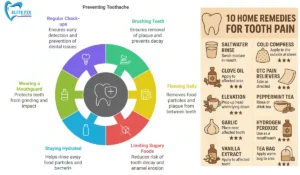
Toothache Home Remedies
Quick Answer
Home remedies like saltwater rinses, clove oil, and cold compresses can provide temporary toothache relief by reducing inflammation and numbing pain. However, these remedies don’t treat the underlying cause—such as cavities, infections, or damaged teeth. While they offer short-term comfort until you can see a dentist, professional dental care is essential for lasting relief and preventing complications.
Introduction
It’s 10 PM on a cold Chicago night, and a sudden toothache strikes. The sharp, throbbing pain makes it impossible to focus on anything else. Your dentist’s office won’t open until morning, and you’re desperate for relief. Many of our patients at EliteFixDenture.com have found themselves in this exact situation, searching online for “toothache home remedies” at 2 AM.
With countless remedies circulating online—from clove oil to vanilla extract—it’s hard to know which ones actually work and which are simply old wives’ tales. This comprehensive guide examines the most popular home remedies for toothache, explaining the science behind them and helping you understand when DIY relief is appropriate and when you need professional dental care.
Understanding Toothache: Why Does Your Tooth Hurt?
Before exploring remedies, it’s important to understand what causes tooth pain. A toothache occurs when the nerve in the root of your tooth becomes irritated or inflamed.
Common Causes of Toothache
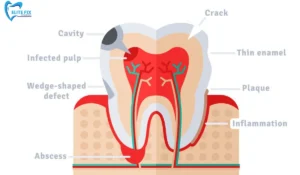
Common Causes of Toothache
Dental Cavities Tooth decay creates holes in your enamel, exposing sensitive inner layers to temperature changes, food particles, and bacteria.
Dental Abscess A bacterial infection at the tooth’s root or between the tooth and gum, causing severe pain and swelling.
Damaged Fillings or Crowns When dental work becomes loose or breaks, it exposes the tooth’s interior to irritants.
Gum Disease Inflammation and infection of the gums can cause pain that feels like a toothache.
Tooth Fracture Cracks or chips in teeth expose nerves to temperature and pressure.
Exposed Tooth Roots Receding gums expose sensitive root surfaces that react to hot, cold, and sweet foods.
Wisdom Teeth Impacted or emerging wisdom teeth can cause significant pain and swelling.
Sinus Pressure Upper tooth pain sometimes results from sinus infections rather than dental problems.
When to Take Toothache Seriously
Many Lincoln Park and Lakeview patients we see at EliteFixDenture.com initially try to wait out tooth pain. However, certain symptoms require immediate attention:
- Pain lasting more than 1-2 days
- Severe, throbbing pain that prevents sleep
- Fever accompanying tooth pain
- Swelling in your face, cheek, or jaw
- Difficulty swallowing or breathing
- Foul-smelling or foul-tasting drainage
- Pain when biting down
- Persistent headache or earache
WebMD also notes that symptoms like facial swelling, fever, or persistent throbbing pain often indicate a deeper infection that requires immediate dental treatment, not home remedies.
Home Remedies That Actually Work
Let’s examine the most popular toothache remedies and the science behind their effectiveness.
1. Clove Oil for Tooth Pain ⭐ Most Effective
How it works: Clove oil contains eugenol, a natural anesthetic and antibacterial compound that has been used for centuries in dentistry.
Scientific backing: Studies show eugenol effectively numbs pain and reduces inflammation. It’s so effective that dentists historically used it in temporary fillings and still use it in some dental materials today.
How to use clove oil on a toothache:
- Never apply pure clove oil directly—it can damage gum tissue
- Dilute 2-3 drops of clove oil with 1 teaspoon of carrier oil (olive or coconut oil)
- Soak a cotton ball in the mixture
- Apply the cotton ball directly to the affected tooth
- Hold for several minutes
- Repeat up to 3 times daily
Alternative method: Place a whole clove near the painful tooth and gently bite down, allowing natural oils to release.
Cautions:
- Can irritate gums if used undiluted
- Never swallow clove oil
- Avoid frequent use—it can damage oral tissues
- Not recommended for children under 2
2. Saltwater Rinse
How it works: Salt is a natural disinfectant that reduces inflammation, loosens food particles, and promotes healing of oral wounds.
How to use:
- Mix 1/2 teaspoon salt in 8 ounces warm (not hot) water
- Swish vigorously for 30 seconds, focusing on the painful area
- Spit out (don’t swallow)
- Repeat every 2-3 hours as needed
Benefits:
- Safe for all ages
- No side effects
- Helps with minor gum irritation
- Reduces bacteria that contribute to infection
Does salt water help toothache? Yes, but it provides only temporary relief and won’t cure the underlying problem. It’s best used while waiting for your dental appointment.
3. Cold Compress
How it works: Cold constricts blood vessels, reducing blood flow to the area, which decreases inflammation and numbs nerve endings.
How to use:
- Wrap ice in a clean cloth or use a cold pack
- Apply to the outside of your cheek near the painful tooth
- Hold for 15-20 minutes
- Remove for 10 minutes
- Repeat cycle as needed
University of Michigan research recommends 10 minutes of cold therapy every hour for inflammation relief.
Best for:
- Swelling and inflammation
- Pain from dental trauma or injury
- Post-extraction discomfort
4. Hydrogen Peroxide Rinse
How it works: Hydrogen peroxide kills bacteria and reduces plaque buildup, helping to fight infection.
How to use hydrogen peroxide for toothache:
- Mix equal parts 3% hydrogen peroxide and water
- Swish gently for 30 seconds
- Spit out completely—never swallow
- Rinse mouth with plain water afterward
Important warnings:
- Only use 3% hydrogen peroxide solution
- Never use undiluted
- Can damage soft oral tissues if overused
- Not suitable for children
- Don’t use more than twice daily
Is hydrogen peroxide good for toothache? It can help reduce bacteria and provide mild relief, but use cautiously and sparingly.
5. Vanilla Extract on Toothache
How it works: Real vanilla extract contains 35-40% alcohol, which can numb pain temporarily. It also has antioxidant properties.
How to use vanilla extract for toothache:
- Use only real vanilla extract, not imitation
- Dab a small amount on your finger or cotton ball
- Apply directly to the affected tooth and surrounding gum
- Repeat 2-3 times daily as needed
Does vanilla extract help tooth pain? The alcohol provides temporary numbing, but this is more of a folk remedy than a scientifically proven treatment. Results vary among individuals.
6. Peppermint Tea Bags
How it works: Peppermint contains menthol, which has mild numbing and soothing properties.
How to use:
- Steep a peppermint tea bag in hot water
- Allow it to cool slightly (warm, not hot)
- Place the warm tea bag against the affected area for 10-15 minutes
- Alternatively, chill the used tea bag in the freezer and apply as a cold compress
Benefits:
- Gentle and safe
- Pleasant taste
- Mild anti-inflammatory effects
7. Garlic
How it works: When crushed, garlic releases allicin, a compound with antimicrobial properties that may help fight oral bacteria.
How to use garlic for toothache:
- Crush a fresh garlic clove to create a paste
- Optionally add a tiny pinch of salt
- Apply to the affected tooth
- Alternatively, slowly chew a fresh clove
Effectiveness: While garlic has antimicrobial properties, scientific evidence for toothache relief is limited. It’s generally safe to try but may not provide significant relief.
8. Over-the-Counter Pain Relievers
Most effective options:
- Ibuprofen (Advil, Motrin): Reduces inflammation and pain; take 200-400mg every 4-6 hours
- Acetaminophen (Tylenol): Relieves pain; take as directed on package
- Naproxen (Aleve): Longer-lasting pain relief
Pro tip: Alternating ibuprofen and acetaminophen provides better pain control than using either alone.
Never:
- Crush aspirin and apply directly to tooth—it can burn gum tissue
- Exceed recommended dosages
- Give aspirin to anyone under 20 (risk of Reye syndrome)
Home Remedies That Don’t Work (Or Can Harm)
Many Chicago patients have tried these remedies after finding them online. Here’s what doesn’t work—and what can actually make things worse.
1. Alcohol (Whiskey, Bourbon, Vodka)
The myth: Swishing alcohol will numb tooth pain.
The reality: While alcohol does kill some bacteria, it won’t provide meaningful pain relief and can actually inflame sensitive gum tissue. It’s not recommended by any dental professional for oral health.
Will alcohol help a toothache? No. Skip this outdated remedy.
2. Crushed Aspirin Directly on Tooth
The myth: Putting crushed aspirin powder on your tooth provides targeted pain relief.
The reality: Aspirin is acidic and can chemically burn your gums and soft tissues, causing more damage. Aspirin must be swallowed to work—it doesn’t provide topical pain relief.
3. Undiluted Hydrogen Peroxide
The danger: Full-strength hydrogen peroxide is too harsh for your mouth, damaging soft tissues and potentially causing chemical burns.
Safe use: Always dilute 3% hydrogen peroxide with equal parts water, and use sparingly.
Step-by-Step: Using Clove Oil Effectively
Since clove oil is the most effective home remedy, here’s a detailed guide for Chicago patients:
Materials Needed
- Pure clove essential oil
- Carrier oil (olive, coconut, or almond oil)
- Cotton balls or swabs
- Small bowl for mixing
Application Steps
Step 1: Prepare the Solution
- Mix 2-3 drops clove oil with 1 teaspoon carrier oil
- Stir well to ensure proper dilution
Step 2: Test for Sensitivity
- Dab a tiny amount on your inner wrist
- Wait 5 minutes
- If no irritation occurs, proceed
Step 3: Apply to Tooth
- Soak cotton ball in the diluted mixture
- Gently squeeze out excess
- Place cotton ball directly on or near the painful tooth
- Bite down gently to hold in place
Step 4: Duration
- Leave in place for 10-15 minutes
- Remove and rinse mouth with warm water
Step 5: Frequency
- Repeat up to 3-4 times daily
- Don’t use more frequently—can irritate gums
What to Expect
- Numbness should begin within 2-5 minutes
- Relief typically lasts 1-3 hours
- You may notice a strong, spicy taste
- Mild tingling is normal
How Does Clove Oil Help Tooth Pain?
Eugenol, the active compound in clove oil, works by blocking pain signals from nerves and reducing inflammation around the tooth. It’s essentially a natural anesthetic that dentists have relied on for over a century.
When Home Remedies Aren’t Enough
While home remedies provide temporary relief, they don’t address the root cause of your toothache. Dr. Maya Lin at EliteFixDenture.com emphasizes that delaying professional care can lead to serious complications.
Why You Shouldn’t Delay Treatment
Minor problems become major issues: A small cavity that could be fixed with a simple filling can progress to:
- Deep decay requiring a root canal
- Tooth abscess requiring antibiotics and emergency treatment
- Complete tooth loss requiring expensive replacement
- Infection spreading to other teeth or even your bloodstream
Cost increases dramatically:
- Basic filling: $150-$300
- Root canal: $700-$1,500
- Crown: $800-$1,500
- Extraction and implant: $3,000-$6,000
Red Flags Requiring Immediate Care
Contact EliteFixDenture.com or visit the emergency room if you experience:
- Severe pain unrelieved by OTC medication
- High fever (over 101°F)
- Swelling that affects your ability to swallow or breathe
- Swelling spreading to your eye area, neck, or under your jaw
- Persistent bleeding
- Trauma to your tooth or jaw
- Signs of infection (foul taste, bad breath, pus)
Professional Treatments vs. Home Remedies
What Your Dentist Can Do
For Cavities:
- Remove decay and place filling in one appointment
- Prevent further damage and pain
For Infections:
- Prescribe antibiotics to clear infection
- Perform root canal to save the tooth
- Extract severely damaged teeth
For Cracked Teeth:
- Place protective crown
- Bond tooth fragments
- Perform endodontic treatment if nerve is exposed
For Gum Disease:
- Deep cleaning (scaling and root planing)
- Antibiotic treatment
- Surgical intervention if necessary
Why Professional Care is Essential
Home remedies mask symptoms but don’t address underlying problems. According to the American Dental Association, untreated dental infections can lead to:
- Tooth loss
- Abscess formation
- Bone loss in the jaw
- Spread of infection to other parts of the body
- Sepsis (in severe cases)
For professional toothache treatment and emergency dental care in Chicago, please consult with Dr. Maya Lin at EliteFixDenture.com.
Preventing Future Toothaches
The best toothache remedy is prevention. Here’s how Chicago patients can avoid tooth pain:
Daily Oral Hygiene
Brush Properly
- Brush twice daily for 2 minutes
- Use fluoride toothpaste
- Use soft-bristled brush to avoid gum damage
- Replace brush every 3 months
Floss Daily
- Floss at least once daily
- Clean between all teeth
- Use proper technique to avoid gum injury
Rinse with Fluoride Mouthwash
- Use alcohol-free formula
- Rinse for 30 seconds
- Don’t eat or drink for 30 minutes after
Regular Dental Visits
- Schedule cleanings every 6 months
- Get regular checkups to catch problems early
- Address cavities promptly before they become painful
- Have old fillings checked regularly
Diet and Lifestyle
Limit:
- Sugary foods and drinks
- Acidic beverages (soda, citrus)
- Hard candies that can crack teeth
- Ice chewing
Choose:
- Water throughout the day
- Calcium-rich foods for strong teeth
- Crunchy vegetables that clean teeth naturally
- Sugar-free gum after meals
Protect Your Teeth:
- Wear a mouthguard for sports
- Use a nightguard if you grind teeth
- Don’t use teeth to open packages
- Avoid chewing on pens or hard objects
Frequently Asked Questions
Does clove oil really help toothache?
Yes, clove oil is one of the most effective home remedies for tooth pain. It contains eugenol, a natural anesthetic that dentists have used for over a century. However, it must be diluted with carrier oil before use and only provides temporary relief—you’ll still need to see a dentist to treat the underlying cause.
How long can I use home remedies before seeing a dentist?
Home remedies should only be used for 1-2 days as temporary relief while waiting for a dental appointment. If pain persists beyond 48 hours, worsens, or is accompanied by fever or swelling, seek professional care immediately. Delaying treatment can lead to serious complications.
Is it safe to use clove oil for tooth pain every day?
While clove oil is natural, it shouldn’t be used more than 3-4 times daily or for more than a few days. Excessive use can irritate and damage gum tissue. Always dilute clove oil with a carrier oil—never apply it directly to your tooth or gums in concentrated form.
What’s the fastest way to stop a toothache at home?
For fastest relief, combine multiple approaches: take ibuprofen, apply a cold compress for 15 minutes, rinse with warm salt water, and apply diluted clove oil to the affected tooth. This multi-pronged approach addresses pain, inflammation, and bacteria simultaneously.
Can salt water cure a toothache?
No, salt water cannot cure a toothache—it only provides temporary relief by reducing inflammation and clearing bacteria. A cure requires professional treatment to address the underlying cause, whether it’s a cavity, infection, cracked tooth, or gum disease.
Does vanilla extract actually work for toothache?
Vanilla extract contains alcohol that can provide temporary numbing, but its effectiveness hasn’t been scientifically proven. While it’s safe to try and may offer mild relief for some people, it’s not as effective as clove oil or OTC pain relievers.
Why does my toothache hurt more at night?
Toothaches often feel worse at night for two reasons: when lying down, blood pressure increases to your head, intensifying throbbing pain; and at night, there are fewer distractions from the discomfort. Try propping your head up with extra pillows or sleeping in a slightly reclined position.
Can I use hydrogen peroxide on an abscess?
While hydrogen peroxide has antibacterial properties, it cannot treat a dental abscess. Abscesses require professional treatment with antibiotics and often require drainage or root canal therapy. Using hydrogen peroxide as a rinse may provide minimal relief but won’t cure the infection.
Will a toothache go away on its own?
Generally, no. While pain may temporarily subside, the underlying problem will remain and likely worsen. What starts as a small cavity can progress to a painful abscess requiring emergency treatment. Seeing a dentist promptly prevents complications and ultimately costs less.
Disclaimer
This article is for informational purposes only and is not a substitute for professional dental advice, diagnosis, or treatment. Always seek the advice of your dentist or other qualified healthcare provider with any questions you may have regarding a dental condition or treatment. Never disregard professional dental advice or delay in seeking it because of something you have read in this article. Home remedies provide only temporary relief and do not replace professional dental care.
For expert dental care in Chicago, visit EliteFixDenture.com or call us today for same-day emergency appointments.
Reviewed by Dr. Maya Lin, DDS Specialist in Cosmetic Dentistry EliteFixDenture.com, Chicago, IL