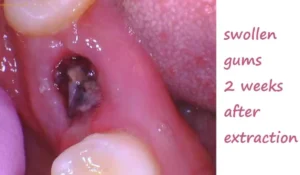
Gum Swelling 2 Weeks After Tooth Extraction
If you’ve recently had a tooth pulled and notice your gums puffing up two weeks later, you’re not alone—it’s a common concern that keeps many Chicagoans up at night. Picture this: You’re strolling through Lincoln Park after your extraction, excited to bite into that deep-dish pizza, only to feel tenderness creeping back. That unexpected swell can spark worry, but understanding what’s happening empowers you to act wisely. At EliteFixDenture, we’ve helped countless patients in Lakeview and beyond navigate post-extraction hiccups with calm, expert care.
Quick Answer: Gum swelling 2 weeks after tooth extraction isn’t usually normal—mild puffiness should fade within 7 days. If it’s worsening, it could signal infection or dry socket; rinse gently and call your dentist right away for peace of mind.
Key Dental Terms About Gum Swelling After Tooth Extraction
Gum Swelling 2 Weeks After Tooth Extraction:
Lingering puffiness or tenderness around the socket at 14 days. Mild, steadily improving swelling can be normal; new or worsening swelling may signal delayed inflammation or infection.
Swollen Gums After Extraction:
Mild gum enlargement from tissue repair, food impaction, or irritation at the site. Usually calms with saltwater rinses and gentle cleaning.
Post-Extraction Swelling:
The expected inflammatory phase after removal. Typically peaks at 48–72 hours, then declines. Persistent facial swelling beyond a week deserves a check.
Tooth Pull Swelling (Lay Term):
Patient slang for cheek/jaw puffiness after a tooth is removed. Cold compresses and rest help during the first 2–3 days.
Dry Socket Symptoms:
Loss or dislodgement of the protective blood clot with exposed bone, causing throbbing pain, bad taste/odor, and pain that radiates to the ear/temple.
Dental Infection Signs:
Redness, warmth, increasing pain, pus discharge, foul taste/odor, or fever—see your dentist promptly for evaluation and possible antibiotics/drainage.
Extraction Recovery Timeline:
Swelling improves in 3–5 days, soft-tissue closure in 2–3 weeks, and bone fill in 3–6 months (varies by tooth and health).
Gum Inflammation After Surgery:
Localized redness/soreness from plaque or trauma. Manage with warm saltwater rinses (after 24 hours), a soft brush, and avoiding the site when chewing.
💡 Chicago Tip:
If swelling lasts past two weeks or worsens at any point, book a quick visit with your EliteFixDenture team in Lakeview or Lincoln Park—early care shortens recovery and prevents complications.
Understanding Gum Swelling After Tooth Extraction
Tooth extraction is like a reset button for your mouth, but healing isn’t always linear. When a tooth is removed, your body kicks into gear: A blood clot forms in the socket to protect the bone and nerves underneath, while new gum tissue starts to knit things back together. Swelling is your body’s natural response—inflammation rushes in to fight off bacteria and start repairs, much like a mild sprain elsewhere.
In Chicago’s brisk fall air, where dry winds can irritate sensitive spots, this process feels amplified. But let’s break it down.
The Normal Healing Timeline
Expect the following based on guidance from trusted sources like the Cleveland Clinic:
- Days 1-2: Bleeding slows, and swelling peaks—your cheek might feel like it’s had one too many holiday hot chocolates.
- Days 3-5: This is often the “worst” phase for puffiness and discomfort, lasting up to a week for most folks.
- Week 2 and Beyond: Gums should seal the socket, with tenderness fading. Full bone regrowth takes 1-4 months, but visible swelling? It should be a distant memory by now.
If you’re in week two and things look calm, that’s a win. According to a 2023 American Dental Association survey, over 90% of extractions heal smoothly with proper care.
Why Swelling at 2 Weeks Isn’t Typical
Here’s the gentle nudge: Fresh swelling or worsening puffiness at the two-week mark often points to something brewing. It’s not the norm, as your body’s initial inflammatory wave should have ebbed. Many Lakeview patients we’ve seen delay check-ins, only to learn early intervention prevents bigger issues. Don’t wait—your smile’s worth it.
Common Causes of Delayed Gum Swelling
Swelling that lingers or returns stems from a few culprits. Here’s a quick breakdown:
- Normal Inflammation Overdrive: Sometimes, rigorous Chicago winters (or spicy Giordano’s runs) irritate the site, causing a minor flare-up.
- Infection: Bacteria sneak in via food debris or poor rinsing, leading to pus and heat. Untreated decay pre-extraction ups this risk.
- Dry Socket: This sneaky complication hits 2-5% of cases, per Mayo Clinic data— the protective clot dislodges, exposing bone and sparking intense ache plus swelling. It’s more common after wisdom teeth pulls.
- Other Factors: Allergic reactions to meds, trauma from chewing tough foods, or even sinus issues if it’s an upper tooth.
| Cause | Likelihood | Key Trigger |
| Normal Healing | High (early) | Surgical trauma |
| Infection | Medium | Bacteria buildup |
| Dry Socket | Low-Medium | Clot disruption (e.g., straws) |
For more on dry socket prevention, check the Mayo Clinic’s guide.
Signs It’s More Than Normal Healing
Trust your instincts—if it feels off, it probably is. Watch for these red flags, drawn from Healthline’s recovery insights:
- Increasing pain or throbbing that meds can’t touch.
- Pus, foul taste, or bad breath (hello, infection alert).
- Fever over 100.4°F or chills.
- Swelling spreading to your jaw or lymph nodes.
- Visible bone in the socket (dry socket classic).
In our Chicago practice, we’ve seen these escalate quickly in busy folks skipping follow-ups. If any ring true, prioritize a visit—better safe than sorry.
Home Remedies for Quick Relief
While waiting for your appointment, ease the discomfort with these dentist-approved steps. Think of them as your at-home toolkit for Wrigleyville recovery days:
- Ice It Right: Alternate 20 minutes on, 20 off for the first 48 hours to curb inflammation.
- Saltwater Rinses: Mix 1/2 tsp salt in warm water; swish gently twice daily starting day 2. It’s a natural antibacterial hero.
- Pain Management: Over-the-counter ibuprofen reduces swelling and ache—follow dosing to avoid tummy trouble.
- Soft Diet: Stick to smoothies, yogurt, or mashed potatoes. No crunchy pretzels from the ballpark yet!
- Elevation: Prop your head up while sleeping to drain fluids.
These tips help 80% of mild cases settle, but they’re no substitute for pro eyes. For extraction aftercare basics, explore our tooth extraction recovery page.
Quick Tips Callout:
- Avoid straws, smoking, or spitting— they dislodge clots.
- Stay hydrated; dehydration worsens puffiness.
- Gentle brushing only—protect that healing site.
When to Contact Your Chicago Dentist Immediately
Don’t play hero. If swelling persists beyond a week or amps up, ring us at EliteFixDenture in Chicago. We’re just a short drive from Lincoln Park, ready with same-day slots for urgent tweaks. Dr. Aziz Liaquat, our implant dentistry whiz, often steps in for post-extraction boosts like bone grafts to speed healing.
Head to the ER if: Swelling blocks breathing, or you have severe allergic reactions. Otherwise, our team handles it with warmth and precision—because your comfort comes first.
For deeper dives, the Cleveland Clinic’s tooth extraction overview is gold.
Prevention and Aftercare Tips for Smooth Sailing
Prevention is your best friend post-pull. Follow these to sidestep week-two surprises:
- Day 1 Rules: Rest, ice, and soft foods—no heroics.
- Ongoing: Rinse as directed, quit tobacco, and attend follow-ups.
- Local Twist: Chicago’s humidity swings? Use a humidifier to keep gums moist.
Frequently Asked Questions (FAQs)
How long does swelling normally last after tooth extraction?
Most swelling peaks at 48 hours and fades in 3-7 days. By week two, it should be gone unless complicated.
Is gum swelling 2 weeks after extraction a sign of infection?
It can be—watch for pus or fever. Normal healing doesn’t rebound like that; err on the side of a check-up.
How do you reduce swelling after tooth extraction at home?
Ice packs, saltwater rinses, and ibuprofen work wonders. Elevate your head and go easy on solids.
What are dry socket symptoms 2 weeks out?
Dry socket usually strikes days 1-3, but late signs include exposed bone, severe pain radiating to your ear, and swelling. It’s rare at two weeks but possible if healing stalled.
When should I worry about swelling after tooth extraction?
If it worsens after day 3, spreads, or pairs with fever/pus—contact your dentist ASAP. In Chicago, we’re here 24/7 for emergencies.
Can I eat normally with swollen gums post-extraction?
Opt for soft, cool foods like soups or ice cream for a week. Avoid hot/spicy to prevent irritation—think gentle on your healing socket.
How does Chicago’s weather affect post-extraction swelling?
Cold winds can dry out gums, slowing recovery. Bundle up and use saline sprays for extra moisture.
What’s the difference between normal swelling and dry socket?
Normal is mild and short-lived; dry socket brings intense, shooting pain and visible bone. Prevention: No sucking actions!
Should I see a specialist for ongoing gum issues after extraction?
Yes, if it lingers—our team at EliteFixDenture can assess for implants or further care.
This article is for informational purposes only and not a substitute for professional dental advice. Always consult your dentist for personalized guidance.
For expert dental care in Chicago, visit EliteFixDenture.com or call today—your confident smile awaits.
Reviewed by Dr. Aziz Liaquat, Implant Dentistry