What Is Tartar on Teeth
In the heart of Chicago’s vibrant Lakeview neighborhood, where windy days call for cozy coffee runs, many locals notice a stubborn film on their teeth during routine checkups. As a denture repair specialist serving Lincoln Park and surrounding areas, we’ve seen how everyday habits can lead to tartar buildup—yet simple steps keep smiles bright. If you’re a busy parent rushing through Wrigleyville mornings or a retiree enjoying Grant Park strolls, understanding tartar helps protect your natural teeth and dentures.
Quick Answer: What Is Tartar on Teeth?
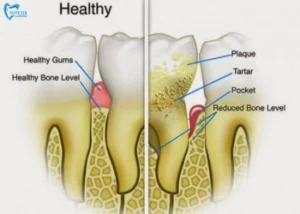
Tartar, or dental calculus, is hardened plaque—a sticky bacterial film that turns rock-hard when minerals from saliva bind to it. It forms above and below the gumline if not brushed away daily, often leading to yellow or brown spots. Only professional cleanings remove it fully, preventing gum issues.
Key Dental Terms to Know About Tartar
Understanding a few essential dental terms helps you protect your smile and recognize early warning signs of buildup.
Plaque:
A soft, sticky film made of bacteria, food particles, and saliva. It forms on teeth within hours after eating and can be brushed or flossed away before it hardens.
Tartar (Calculus):
When plaque isn’t removed, minerals in your saliva turn it into tartar — a rough, yellow or brown deposit that clings tightly to the tooth surface. It can’t be brushed off at home and requires professional dental cleaning.
Scaling:
A common dental procedure where professionals gently remove tartar deposits above and below the gumline using specialized tools. It’s part of deep cleaning treatments that restore gum health.
Gingivitis:
The earliest stage of gum disease, caused by plaque and tartar irritating the gums. Symptoms include redness, swelling, and bleeding when brushing or flossing. Treated early, it’s fully reversible with proper care.
💡 Chicago Tip: Regular checkups and professional cleanings — especially every six months — help Lakeview and Lincoln Park residents prevent tartar buildup and keep gums healthy year-round.
What Is Tartar on Teeth?
Imagine sipping a hot Chicago-style deep-dish pizza after a long day—delicious, but those starchy bits linger. That’s how plaque starts: a soft, colorless film of bacteria, food debris, and saliva coating your teeth within hours of eating. If you don’t brush it off, it hardens into tartar, a rough, porous deposit that’s nearly impossible to scrape away at home.
Tartar isn’t just unsightly; it traps more bacteria, irritating gums and setting the stage for bigger problems. For denture wearers in Lincoln Park, this buildup can even affect fit and comfort over time.
Causes and Risk Factors of Tartar Buildup
What causes tartar on teeth? It boils down to plaque not getting removed. Bacteria thrive on sugars from snacks, producing acids that stick to enamel. Saliva then mineralizes it within 24–72 hours, turning soft gunk into hard calculus.
Risk factors hit close to home in our Windy City winters: Dry mouths from indoor heating slow saliva flow, a natural plaque fighter. Smoking, as noted by the CDC, doubles gum disease odds—key for tartar formation. Sugary drinks during Lakeview festivals? They feed the bacteria too. Even genetics play a role; some folks build tartar faster despite good habits.
Symptoms and Signs of Tartar on Teeth
Spotting tartar early keeps issues at bay. Look for yellowish-brown lines along the gumline, especially near lower front teeth—that’s where it loves to hide. Your gums might bleed easily during brushing, a red flag for gingivitis.
What does tartar look like on teeth? Rough and crusty, like coffee stains gone wild. Bad breath lingers despite mints, and you may feel a gritty texture. In advanced cases, teeth loosen—a scary sign for Chicago marathon runners who need strong bites. According to the ADA, nearly half of adults over 30 have gum disease tied to tartar.
Prevention and Home Care for Tartar
Is tartar on teeth harmful? Absolutely—it invites infection and decay. But prevention is straightforward and empowering.
Brush twice daily with fluoride toothpaste for two minutes, angling at 45 degrees to the gums. Floss nightly to hit between teeth, where 40% of plaque hides. Rinse with antimicrobial mouthwash to cut bacteria.
How to remove tartar from teeth at home? You can’t fully—brushing reduces plaque, but pros handle the rest. Eat crunchy veggies like carrots for natural scrubbing, and limit sodas. For Lakeview locals battling lake-effect dryness, chew sugar-free gum to boost saliva.
Plaque vs. Tartar: Quick Comparison
| Aspect | Plaque | Tartar (Calculus) |
| Texture | Soft, sticky film | Hard, crusty deposit |
| Formation Time | Forms in hours after eating | Hardens in 1–3 days |
| Removal | Brushing/flossing at home | Professional scaling only |
| Health Risk | Early gum irritation | Leads to periodontitis, bone loss |
| Prevention | Daily hygiene routine | Regular dental visits |
Source: Adapted from Cleveland Clinic guidelines. Learn more on plaque control from the ADA.
Professional Treatments for Tartar in Chicago
When home efforts fall short, scaling and root planing—a deep cleaning—scrapes tartar from above and below gums. In Chicago’s elite clinics, this 1–2 hour procedure uses local numbing for comfort.
Dr. Aziz Liaquat, our implant dentistry expert, often spots tartar during routine exams and recommends this for long-term gum health. It smooths roots to deter re-buildup, vital before implants or denture adjustments.
Recovery and Aftercare Tips After Tartar Removal
Post-cleaning, your gums may feel tender—like after a brisk Lake Michigan jog. Rinse with warm salt water to soothe, and stick to soft foods like oatmeal for 24 hours.
Aftercare shines with gentle brushing and prescription rinses if needed. Avoid tobacco to speed healing—crucial for Chicago’s stress-busting yoga crowds. Follow up in 4–6 weeks to monitor progress.
When to See a Dentist for Tartar Issues
Don’t wait if bleeding persists or breath won’t freshen—early tartar signals gum trouble. Schedule if you haven’t had a cleaning in six months, per Mayo Clinic advice. For denture users in Lincoln Park, tartar on naturals can misalign fits fast.
Explore our implant services for advanced support.
Local Tips: Tartar Care in Chicago’s Unique Climate
Chicago’s harsh winters dry mouths, amping tartar risks—humidifiers help indoors. Summer festivals mean more snacks; pack floss for on-the-go care. Neighborhood gems like Lakeview’s green spaces? Perfect for post-brush walks to stimulate saliva. Tie in pediatric dentistry tips for family routines.
FAQ: Tartar on Teeth Questions Answered
How long does it take for plaque to turn into tartar?
Typically 24–72 hours if not brushed away, per NIH guidelines. Daily habits stop it cold.
Can you remove tartar at home?
No—it’s too hard. Brushing prevents it, but see a pro for removal, says the ADA.
Does tartar cause bad breath?
Yes, by trapping odor-causing bacteria. Freshen up with flossing and cleanings.
Is tartar more common in denture wearers?
It can be, if cleaning slips. Chicago patients: Align denture hygiene with natural tooth care.
What foods reduce tartar buildup?
Crunchy produce like apples scrubs plaque; limit sugars, as Healthline notes.
How often should Chicagoans get tartar cleanings?
Every 6 months, or more if at risk—vital in our dry, windy weather.
Can tartar lead to tooth loss?
Untreated, yes—via gum disease eroding bone, per CDC stats (47% of adults affected).
Tartar vs. plaque: What’s the difference?
Plaque is soft and preventable at home; tartar is hardened and needs pros.
Where to get tartar removal in Lakeview?
EliteFixDenture.com offers gentle, expert cleanings tailored for busy locals.
This article is for informational purposes only and not a substitute for professional dental advice. Consult your dentist for personalized care.
For expert dental care in Chicago, visit EliteFixDenture.com.
Reviewed by Dr. Aziz Liaquat, Implant Dentistry.